2025 Jaguars of the Pantanal Trip Report and Gallery
My Jaguars of the Pantanal tour in Brazil was my final trip of the year for 2025. As I expected, it was another incredible journey to the Pantanal. There are few places I’ve traveled that are so remarkable for photography. Jaguars were, of course, our primary focus, but exclusively photographing the cats would be like only sampling one dish at a Brazilian buffet.
Aymara Lodge
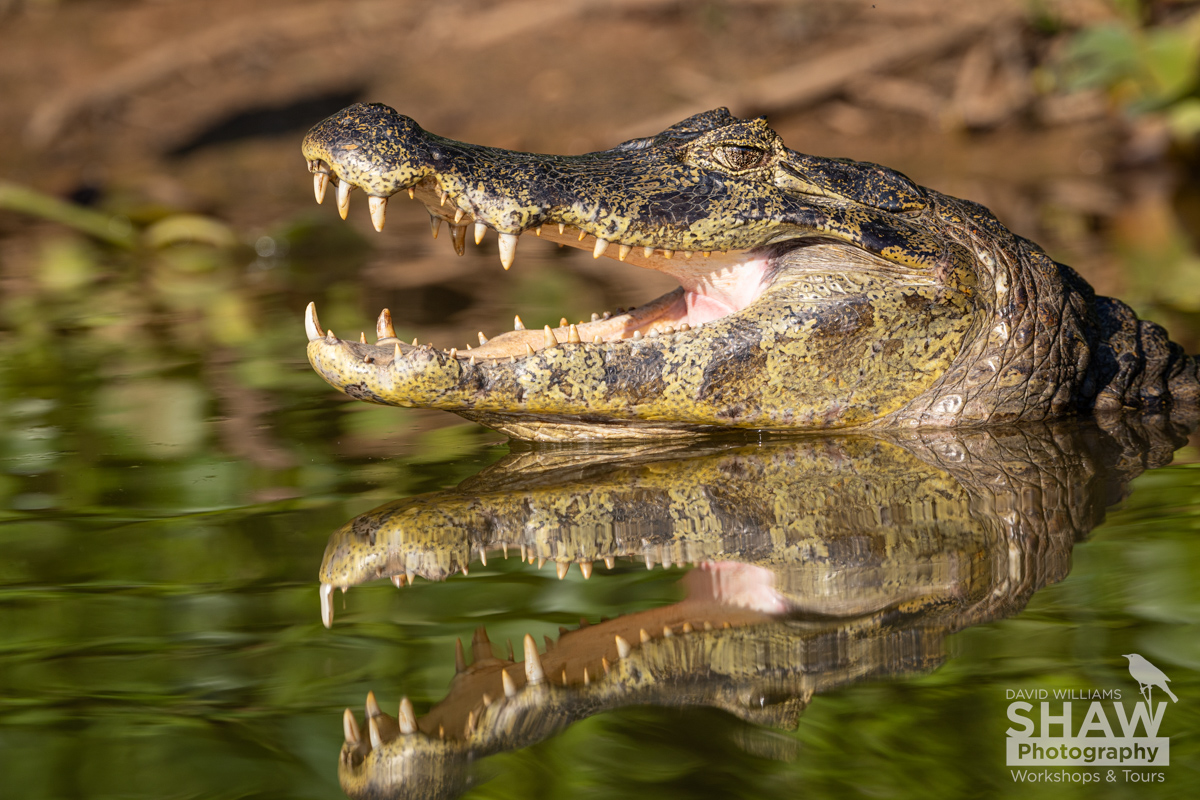
Aymara was the first stop on the trip. It’s a lodge tucked back on a long access road off the Transpantaneira. Despite being only about three hours from the city of Cuiabá, it feels remote. A small stream flows through the property where yacare caiman and sunbitterns forage, and the surrounding cerrado forest makes the place feel like a true jungle lodge.
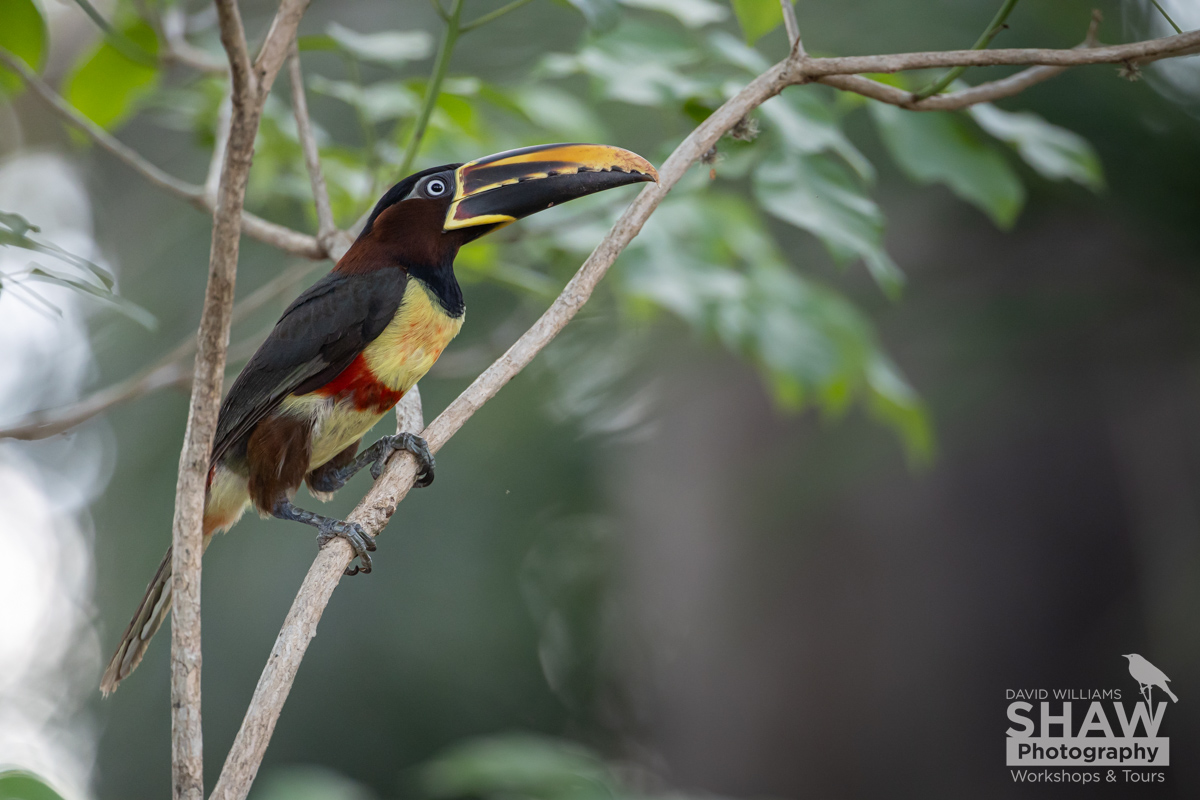
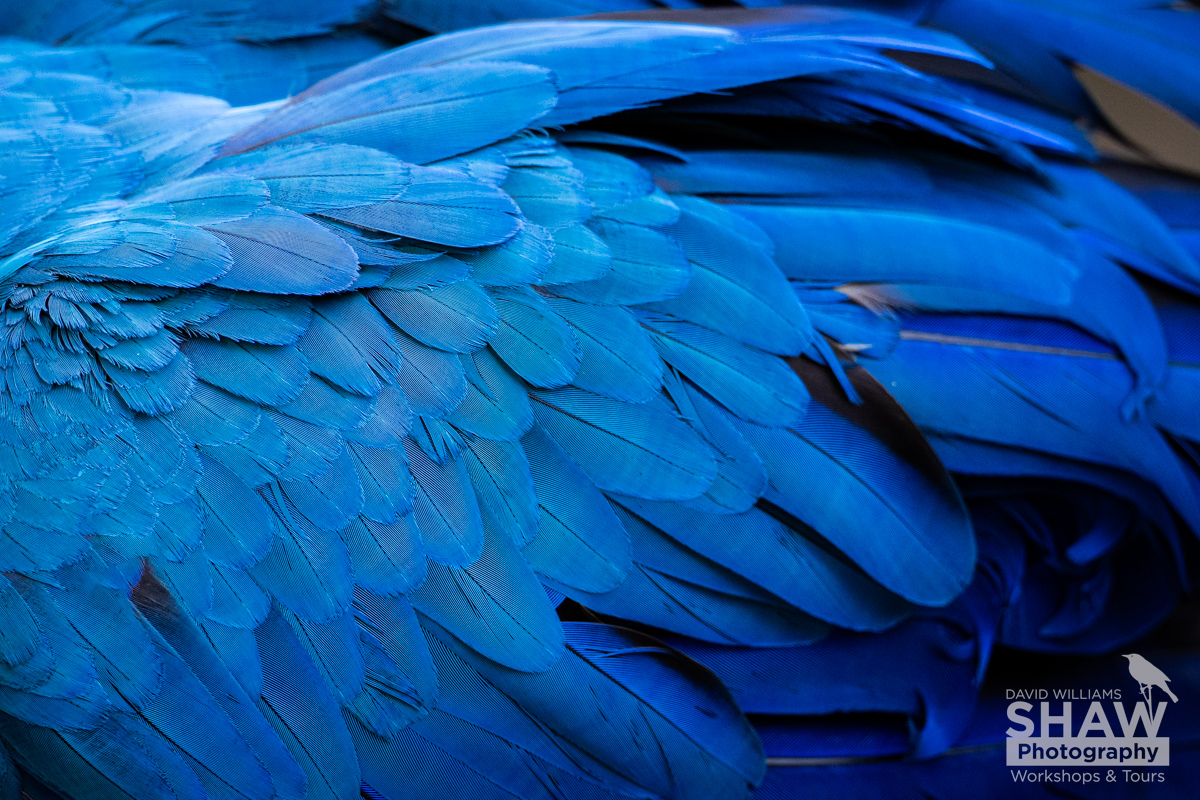
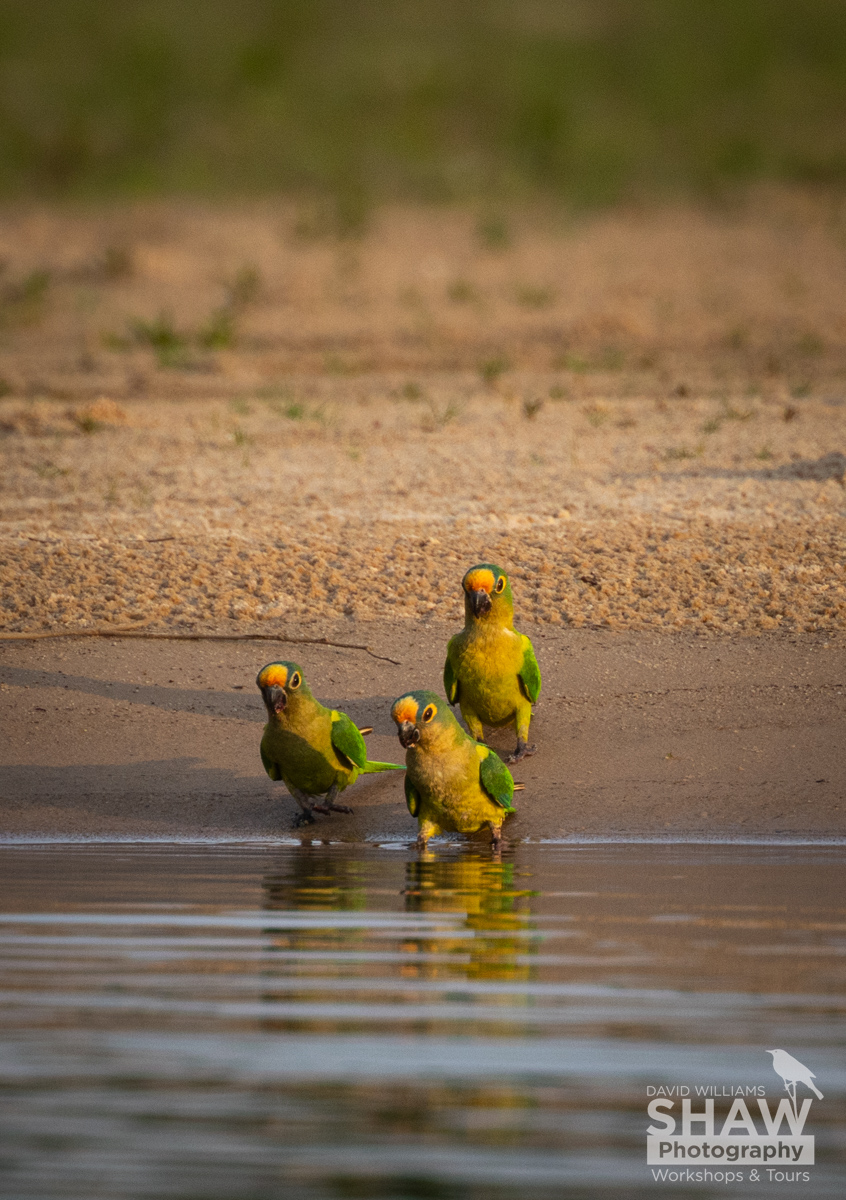
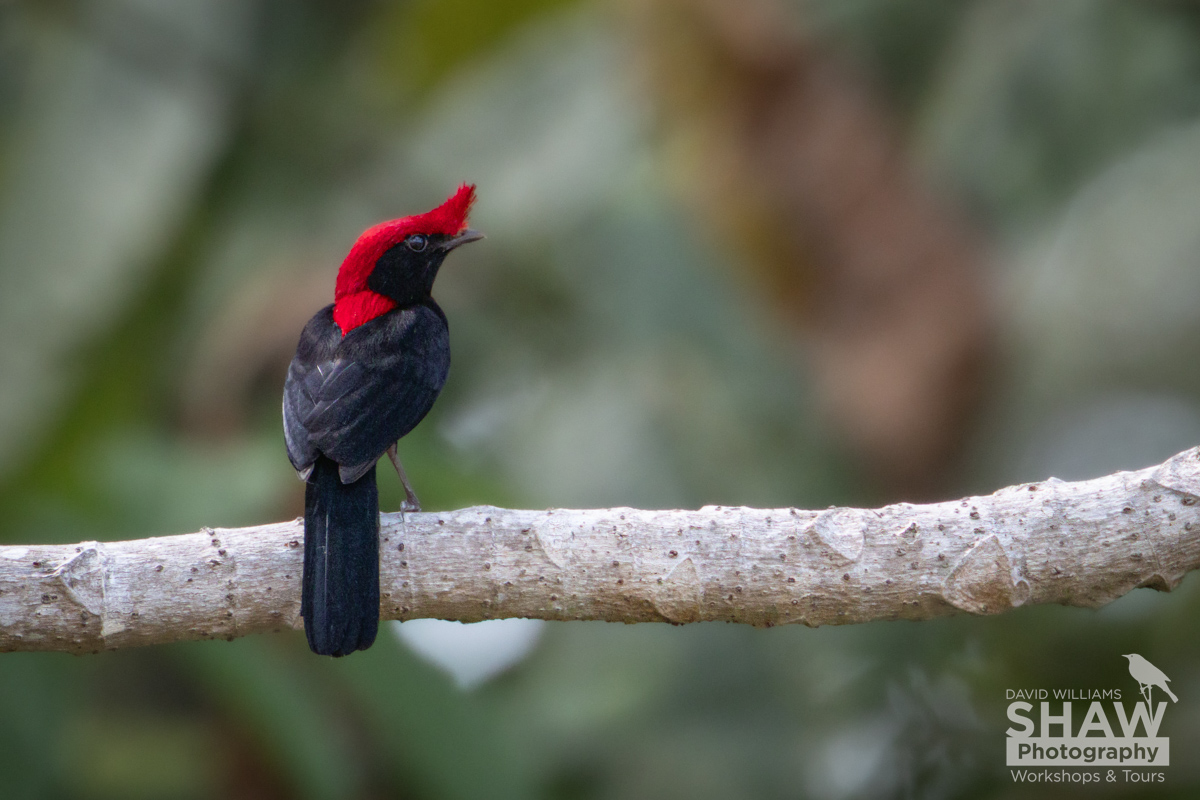
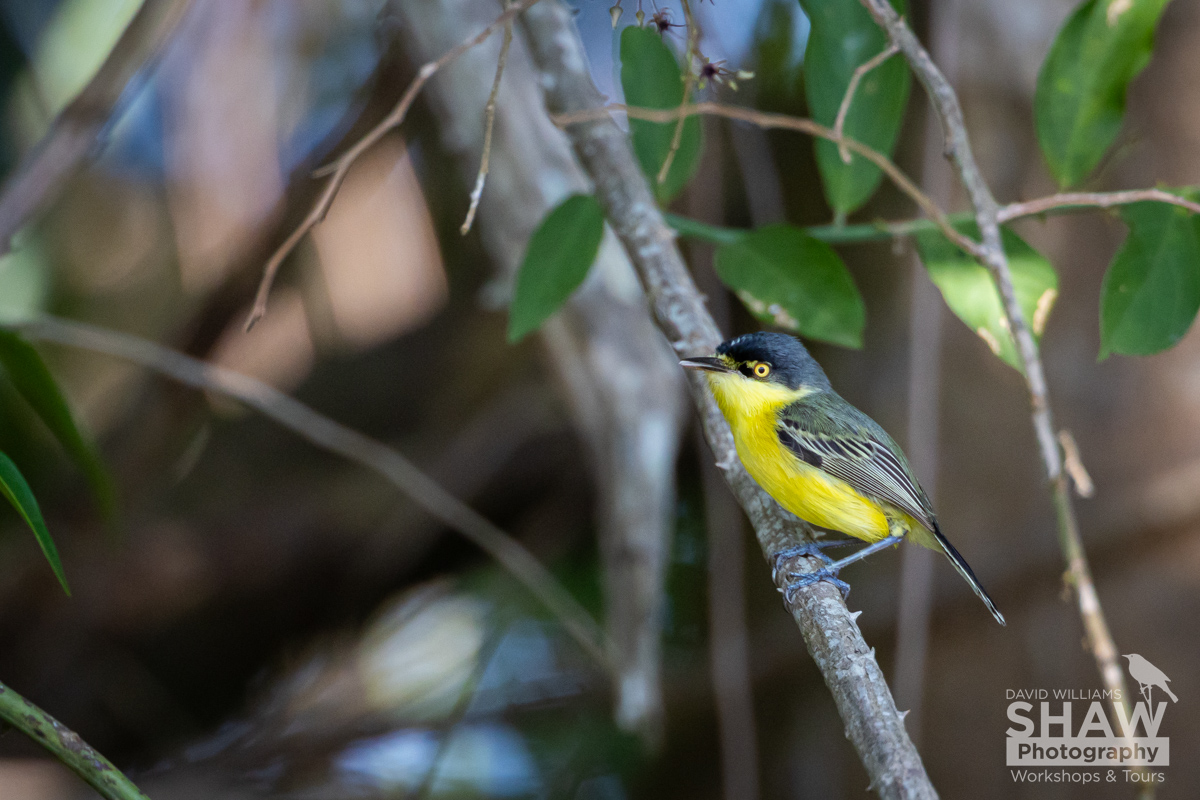
We had two nights at Aymara—an excellent break-in to our travels in the Pantanal. Birds were the main focus, and my group and I dispersed across the lodge grounds, where hyacinth macaws nest, chestnut-eared aracaris drop into the fountain, and turquoise-fronted parrots flirt from the branches. But the big surprises and highlights came during the evening hours, which we spent in a basic hide near a tiny freshwater hole.
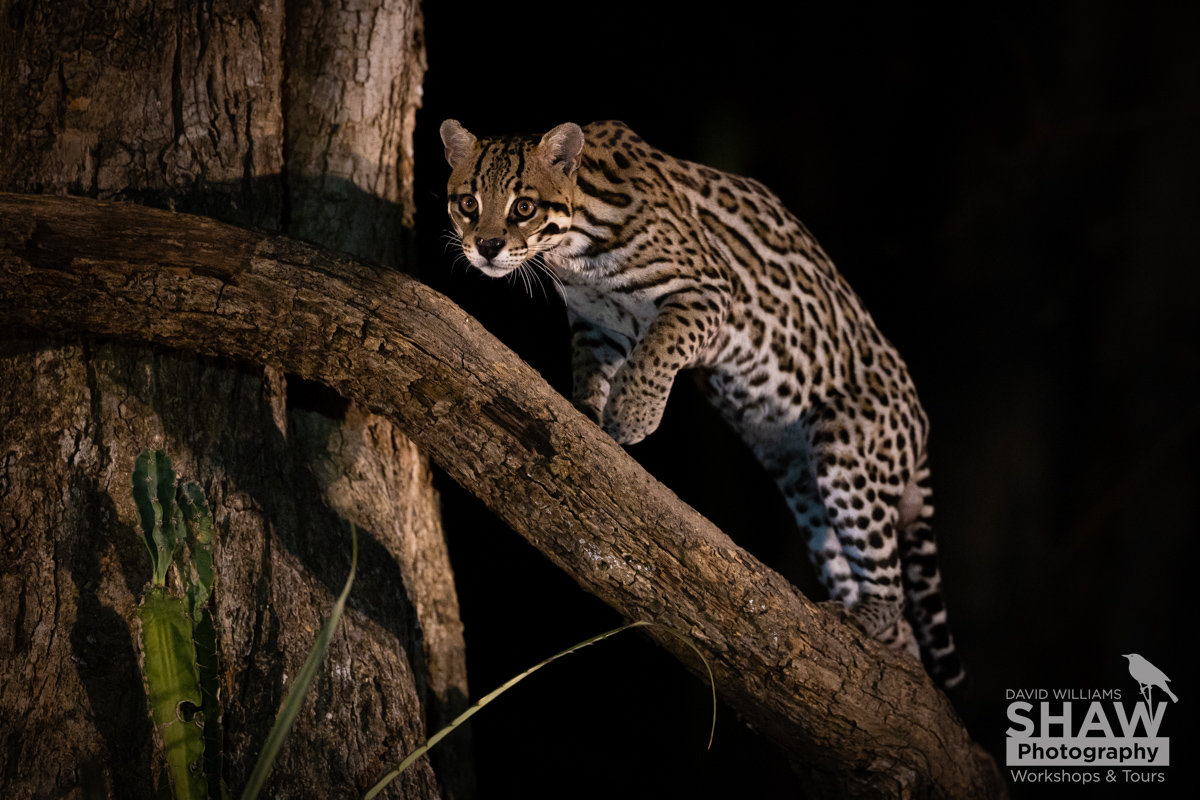
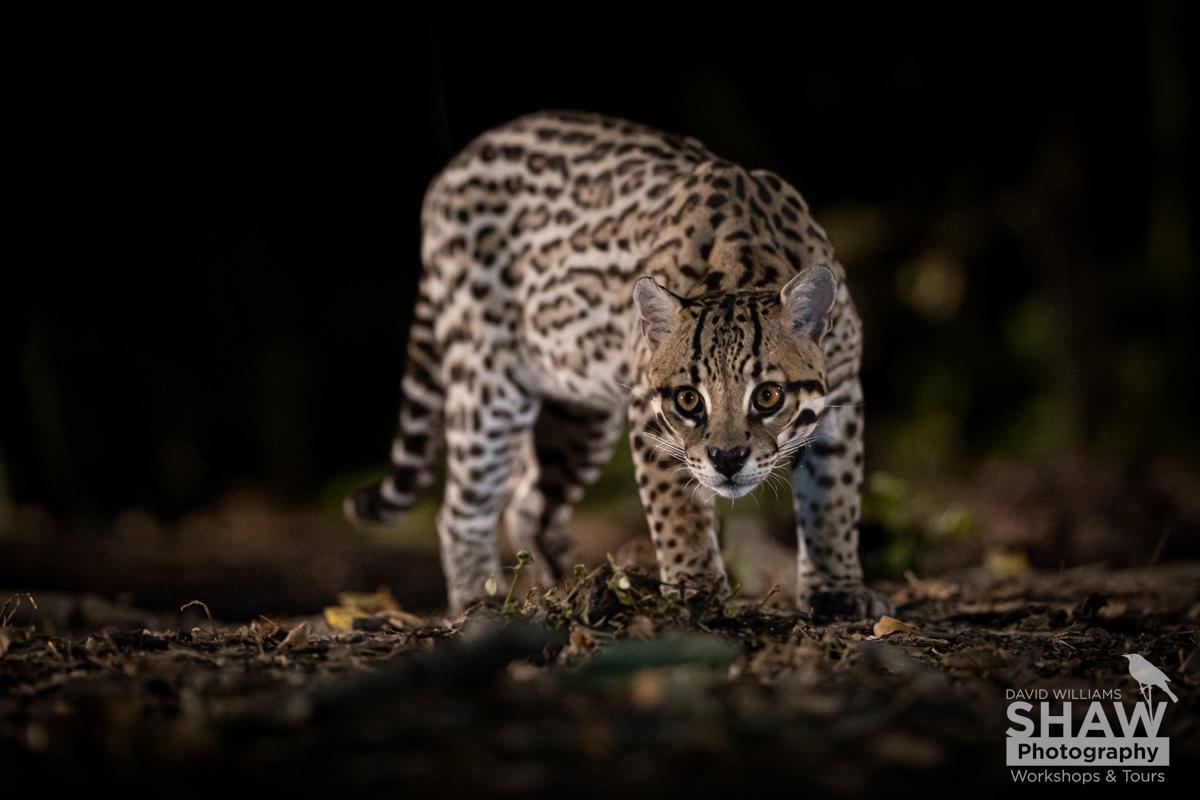
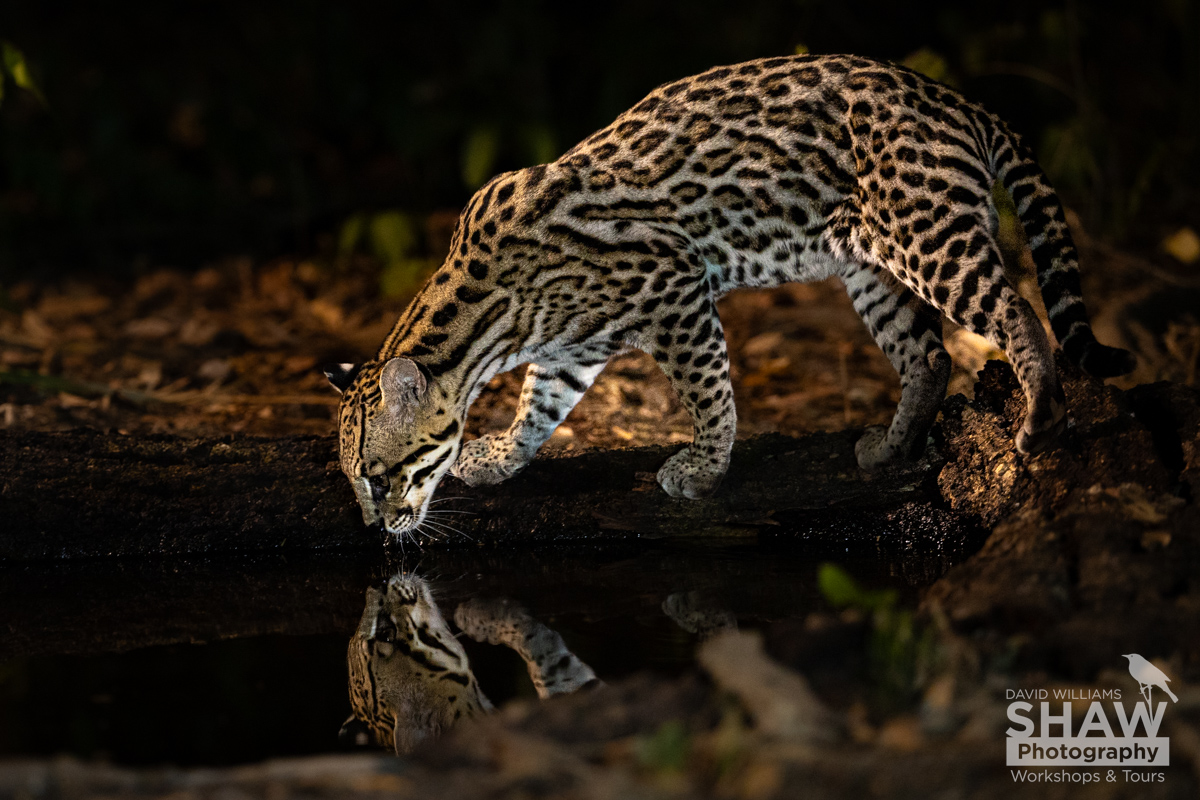
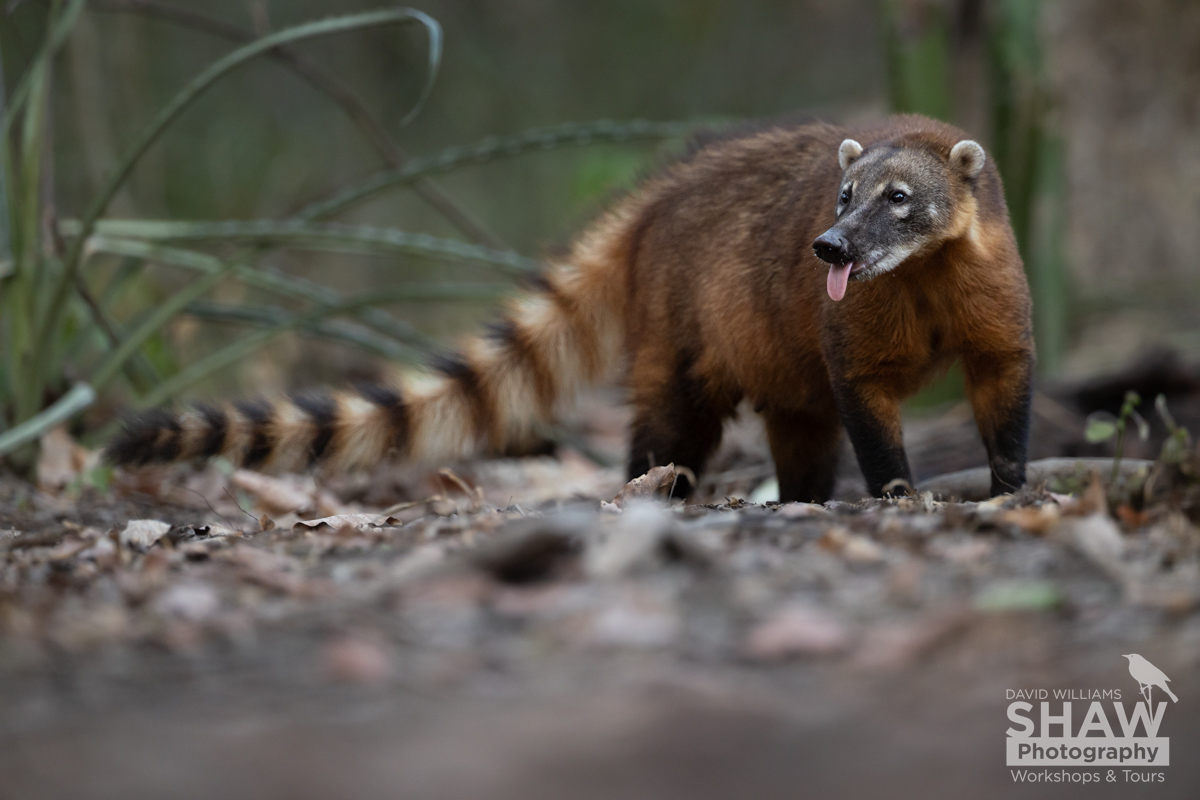
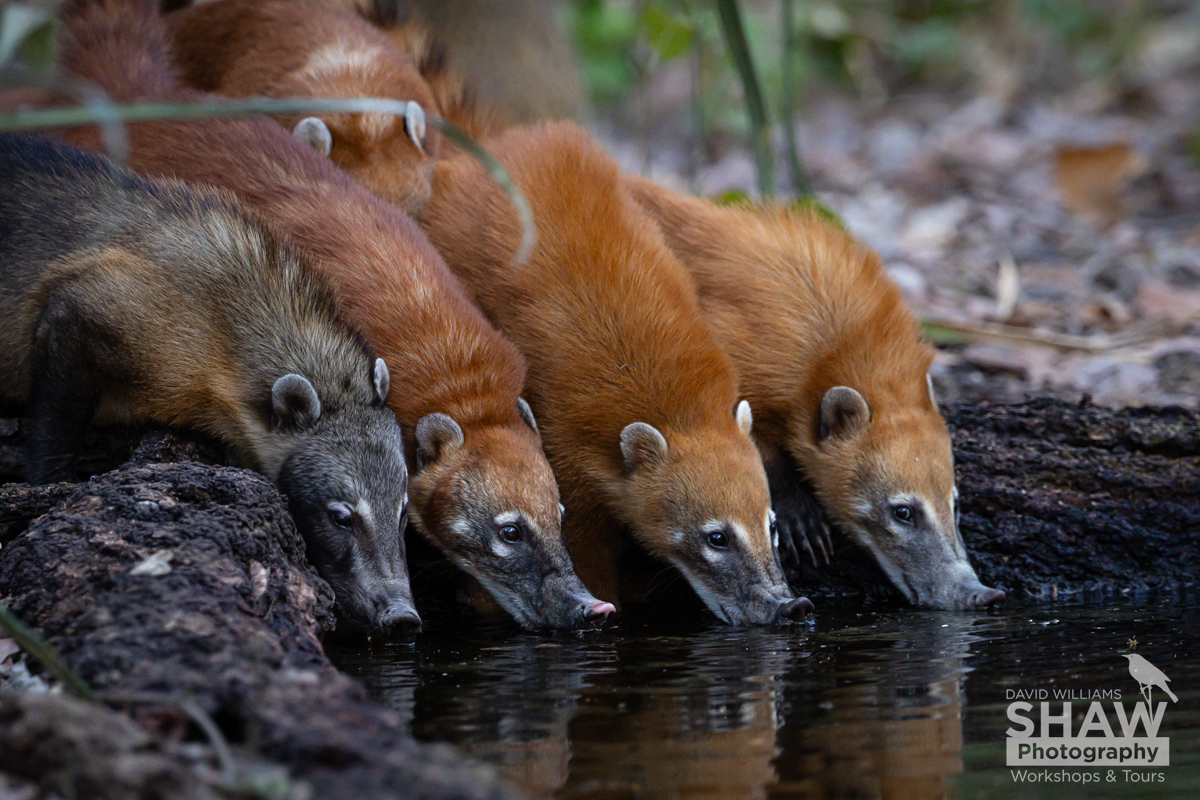
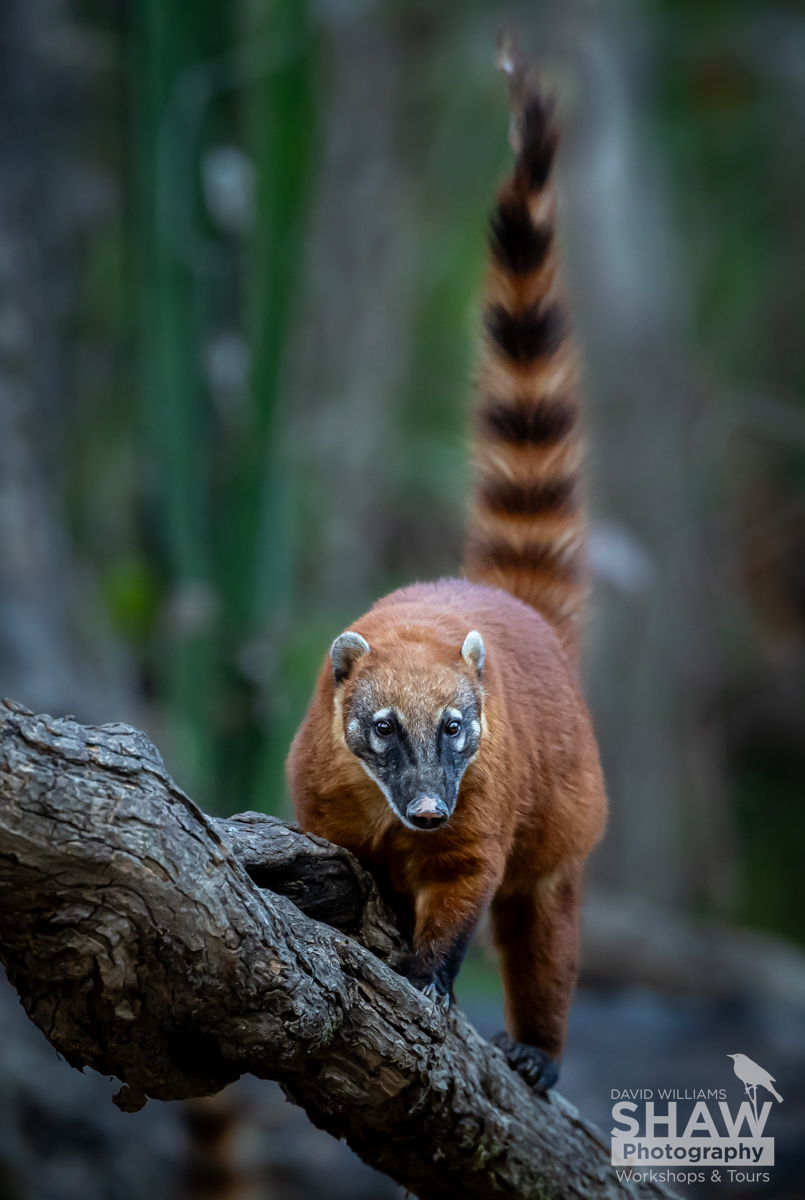
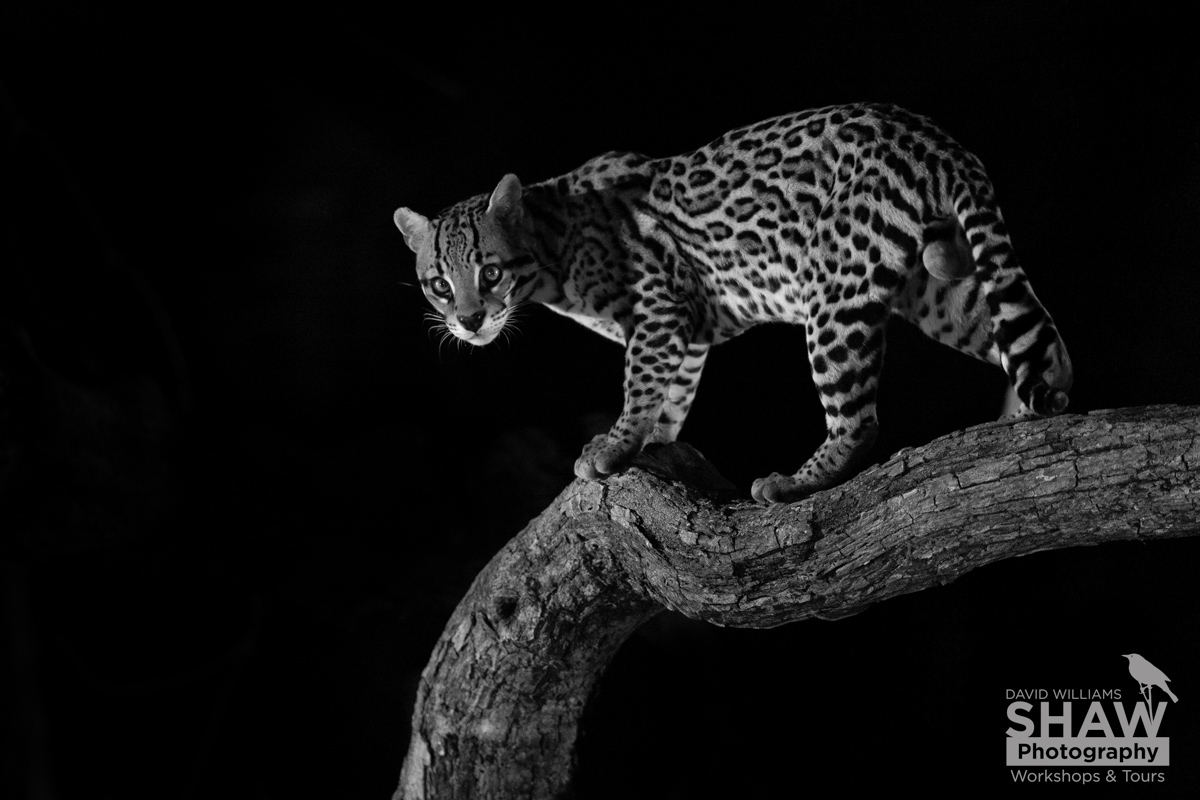
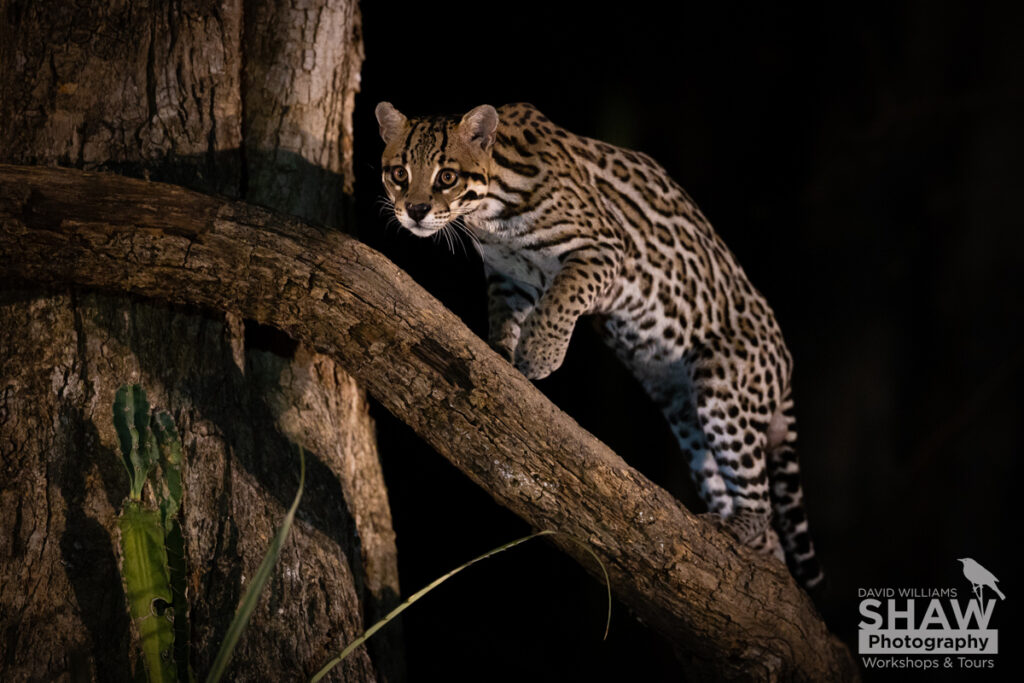
There, as we sat quietly in lawn chairs behind a camouflage curtain, we witnessed packs of coatis come and drink, a nine-banded armadillo, numerous birds, and—most special of all—a male ocelot. Ocelots are very rarely seen, so this was definitely a highlight. The cat came in late, after dark, but the site was lit with artificial lights sufficient for photography, and we were able to capture some dramatic images of the silver ocelot.
Deeper into the Pantanal
Our third day carried us from Aymara Lodge down the remaining length of the Transpantaneira to the village of Porto Jofre. It was a rainy day, and the road—dirt and gravel the entire distance—was a bit (perhaps more than a bit) muddy and slippery. Fortunately, the local operators had chartered a strong, reliable van and an excellent driver, so we made it to the Porto Jofre Hotel without incident.
Porto Jofre is the access point to the wild heart of the Pantanal and is the only place in the world where jaguars can be consistently seen and photographed.
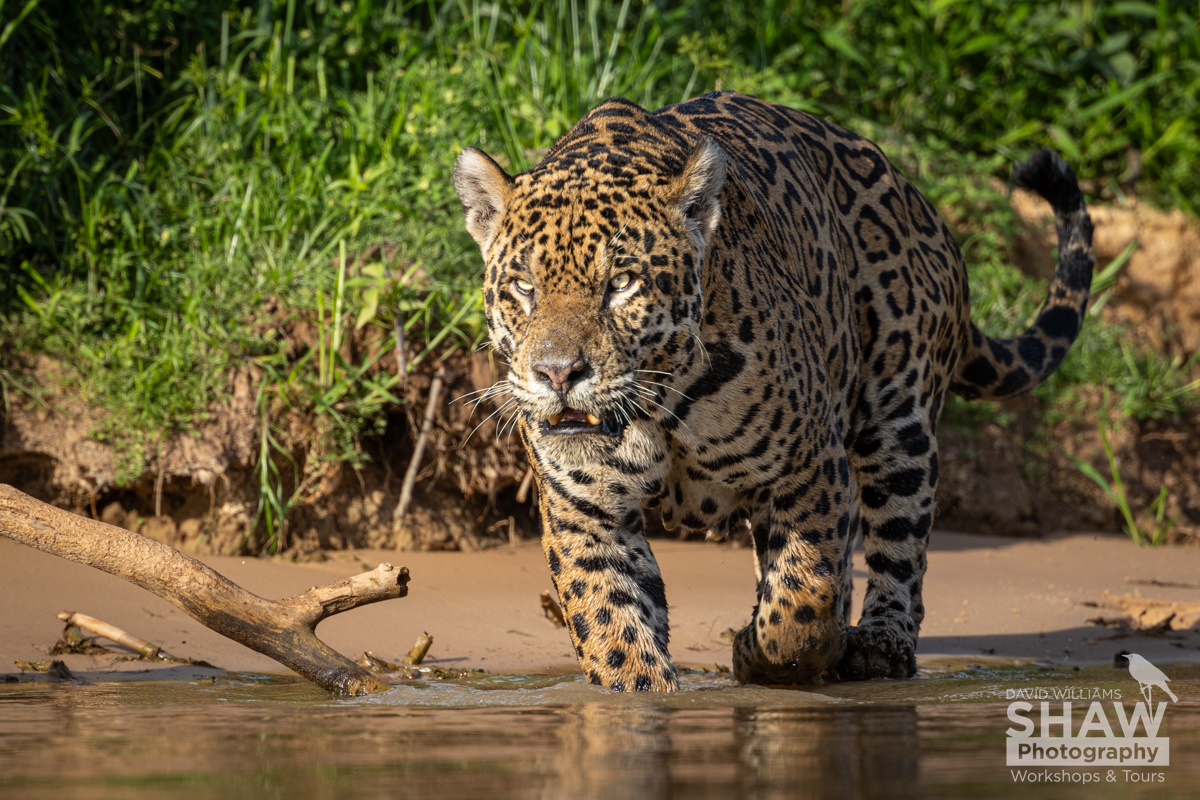
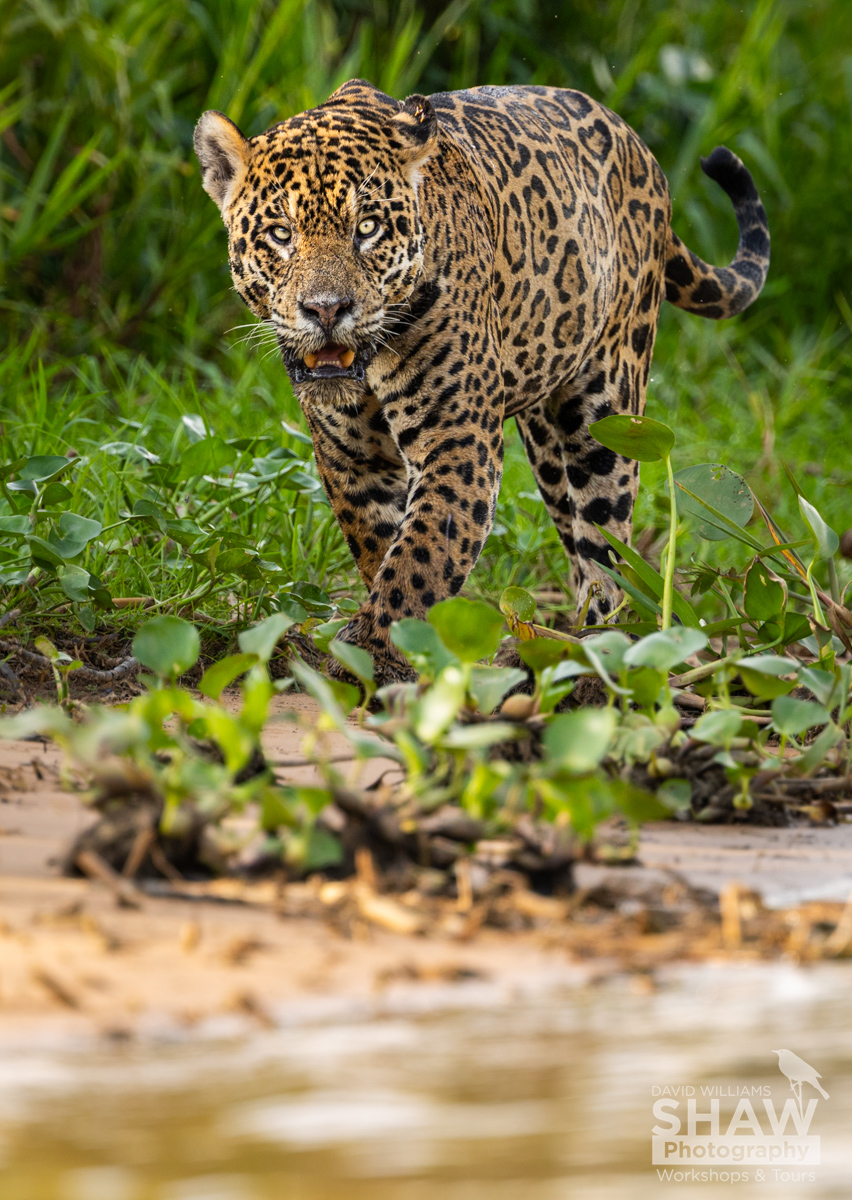
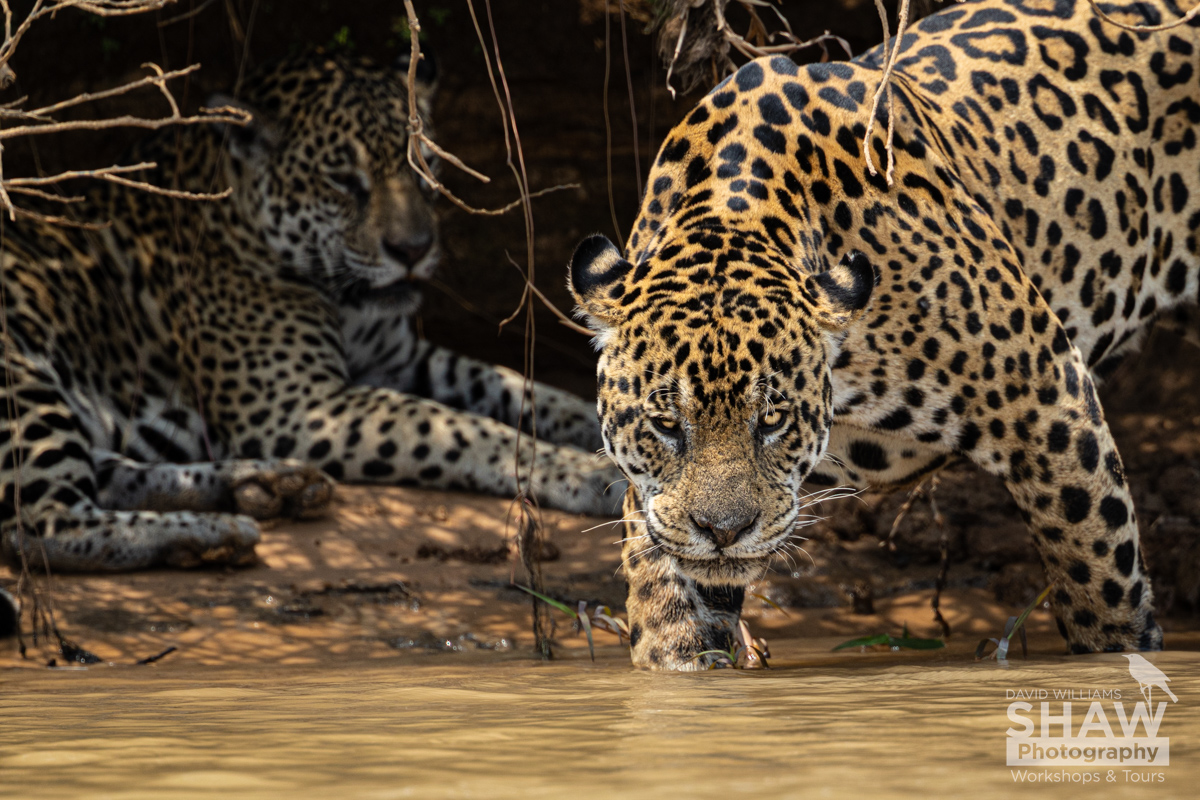
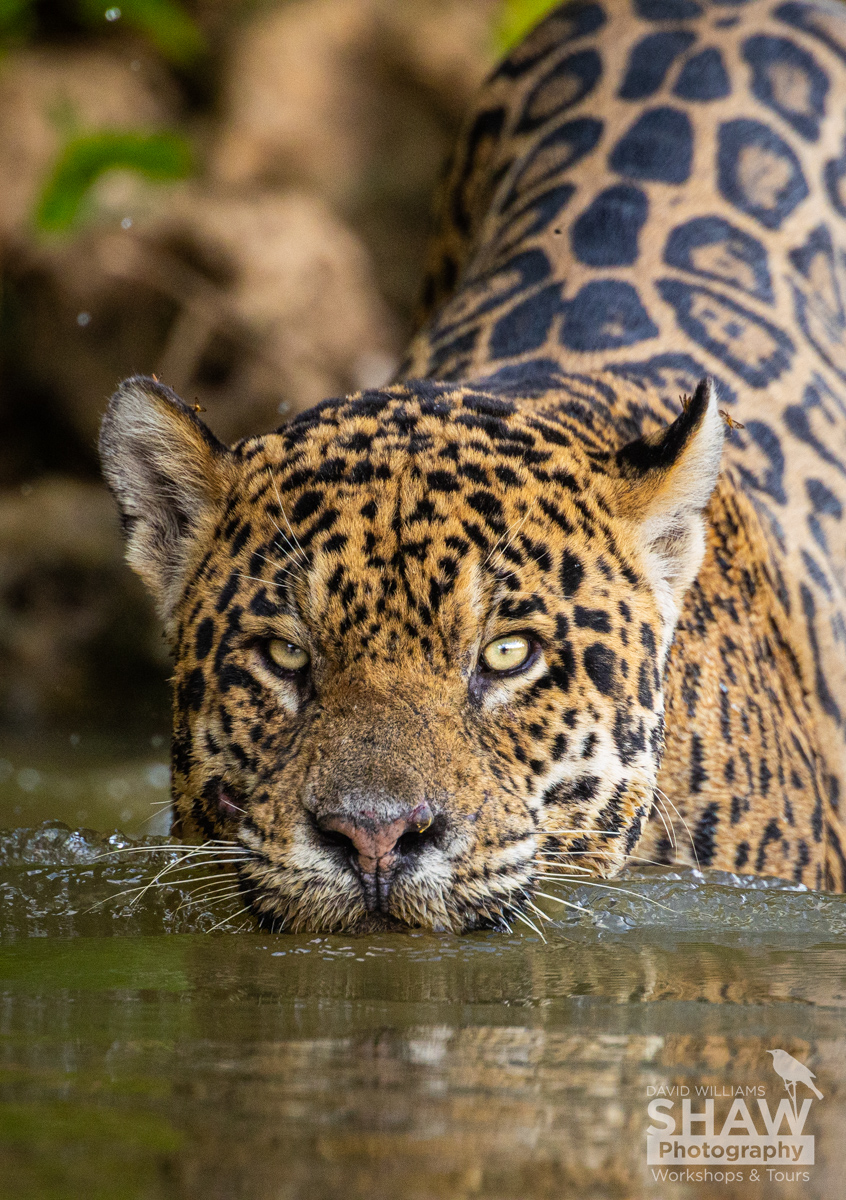
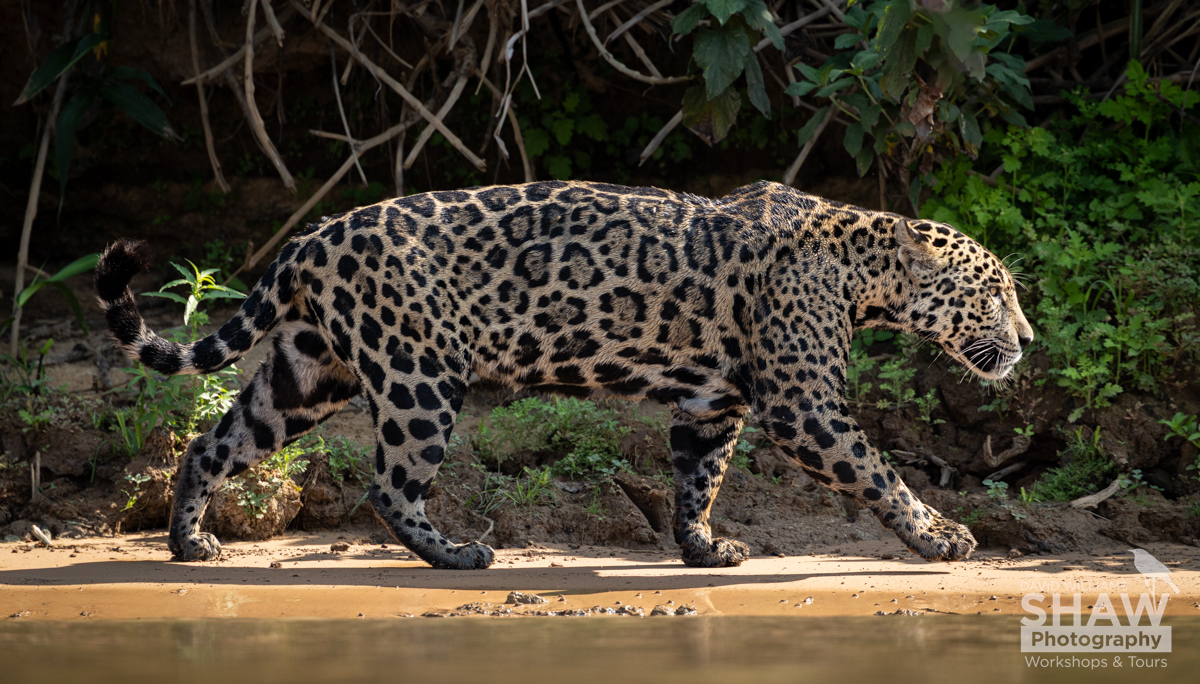
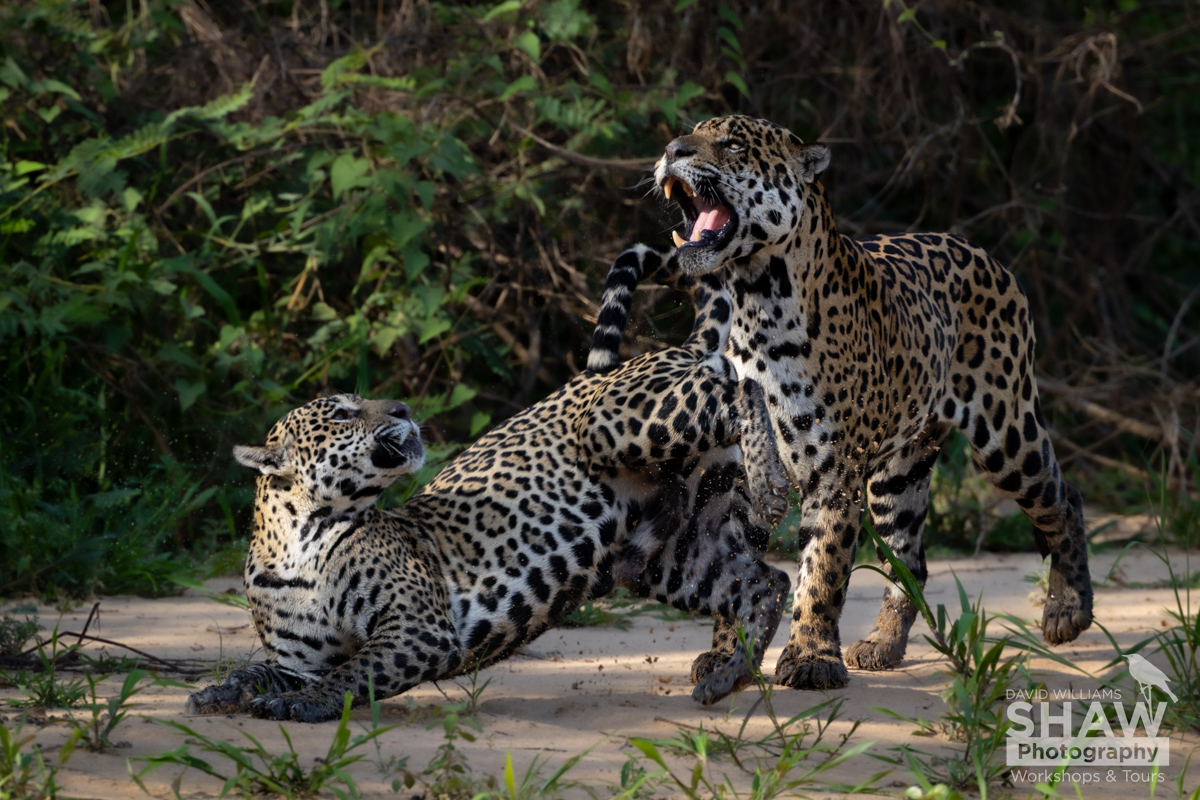
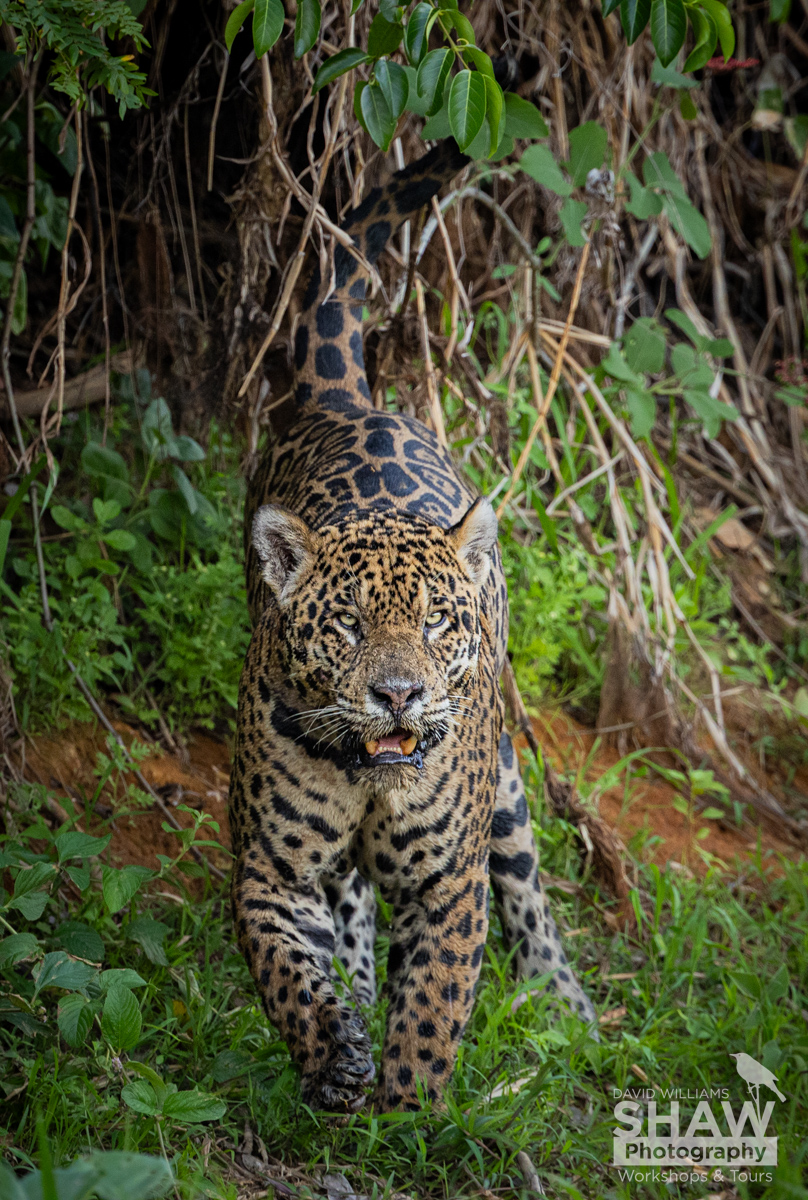
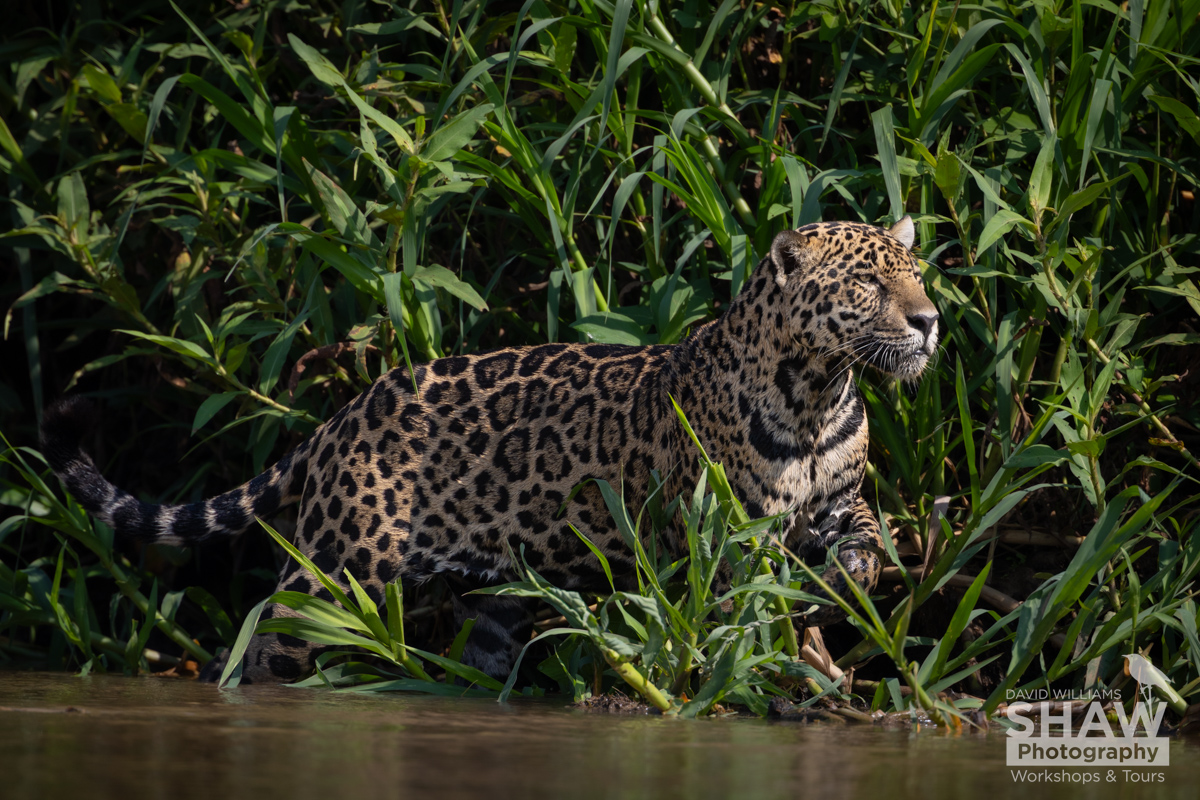
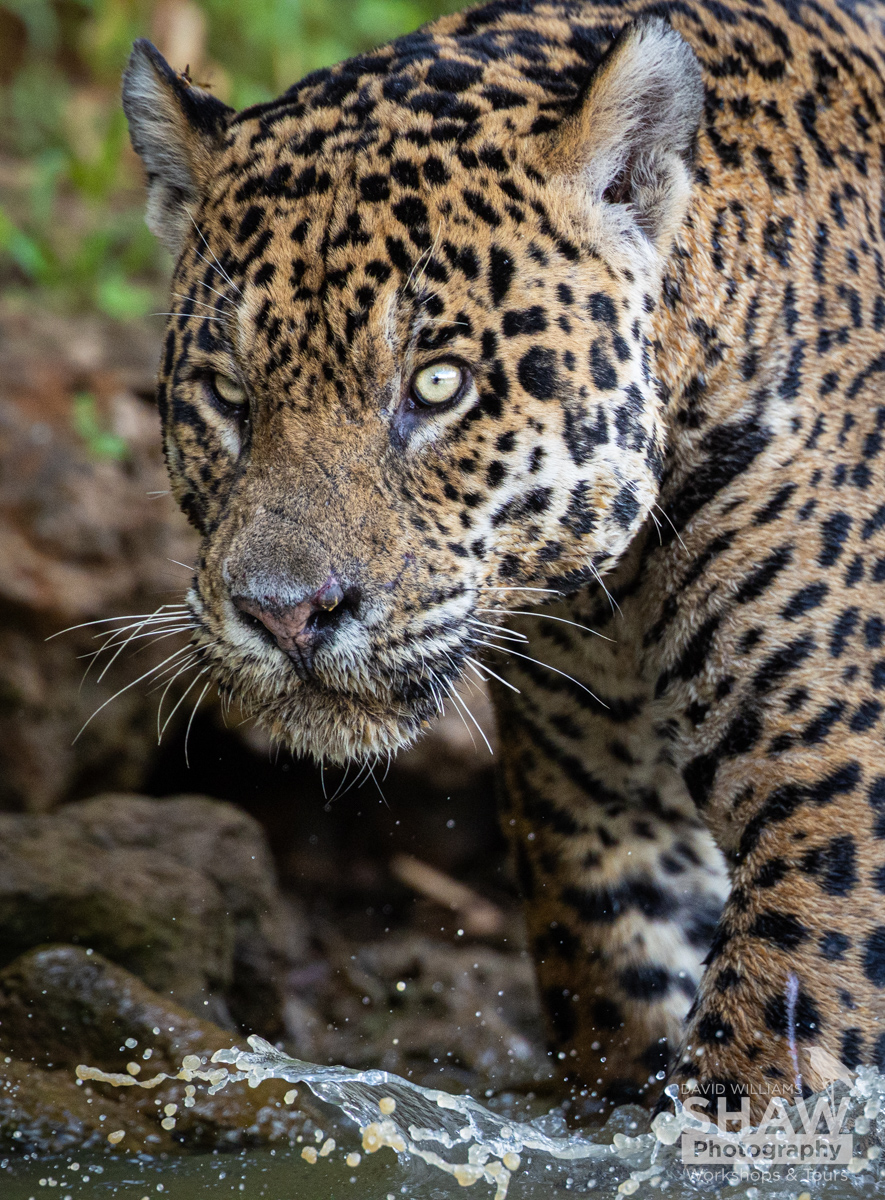
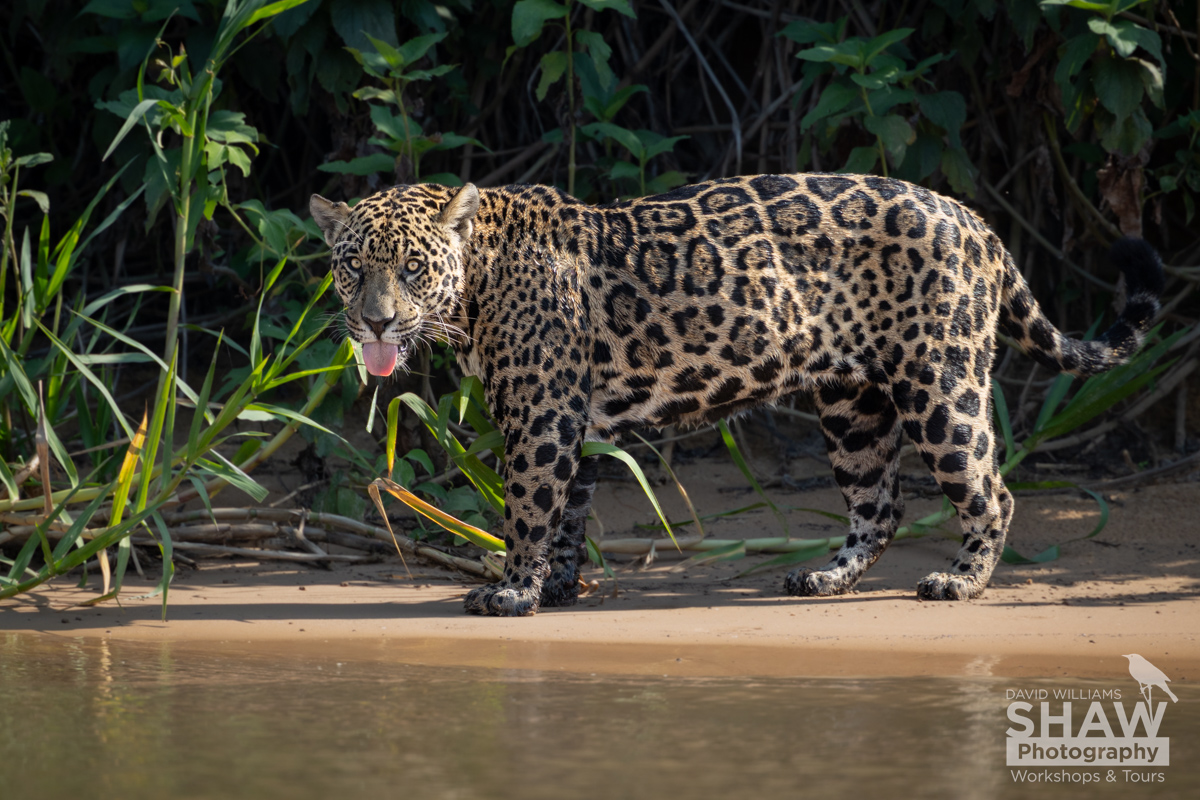
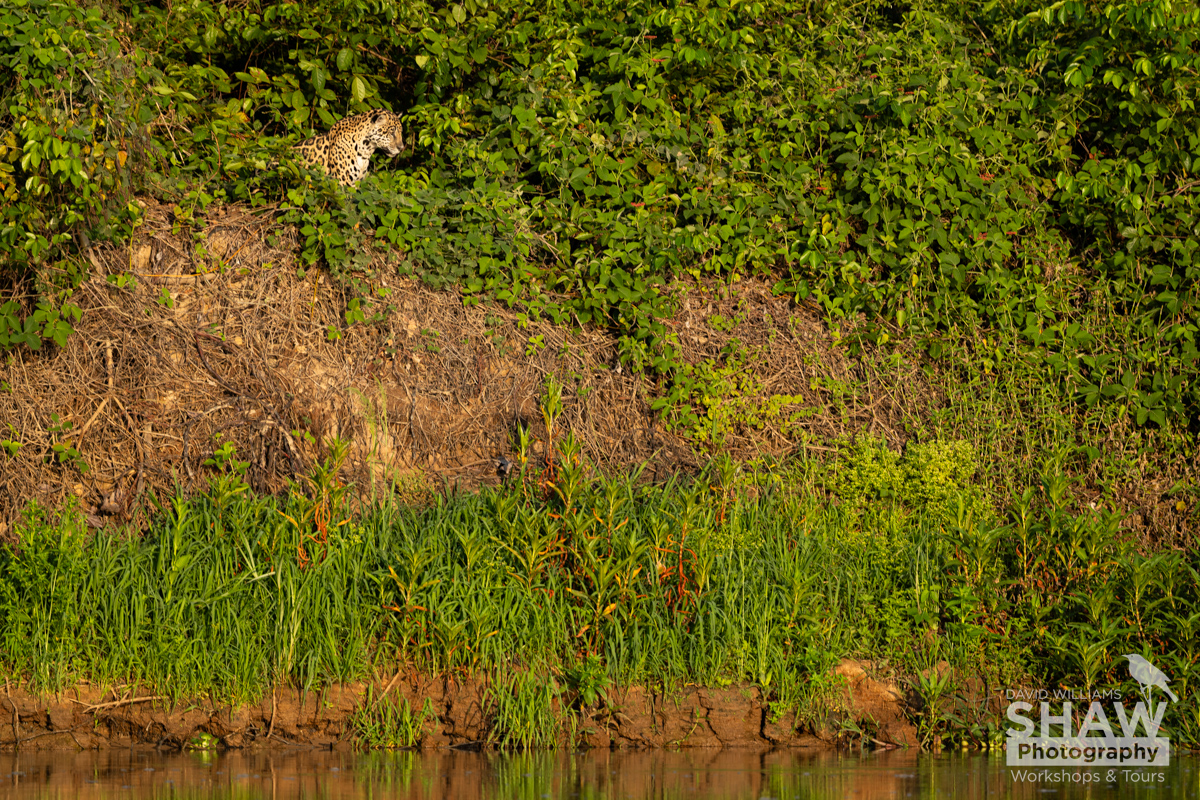
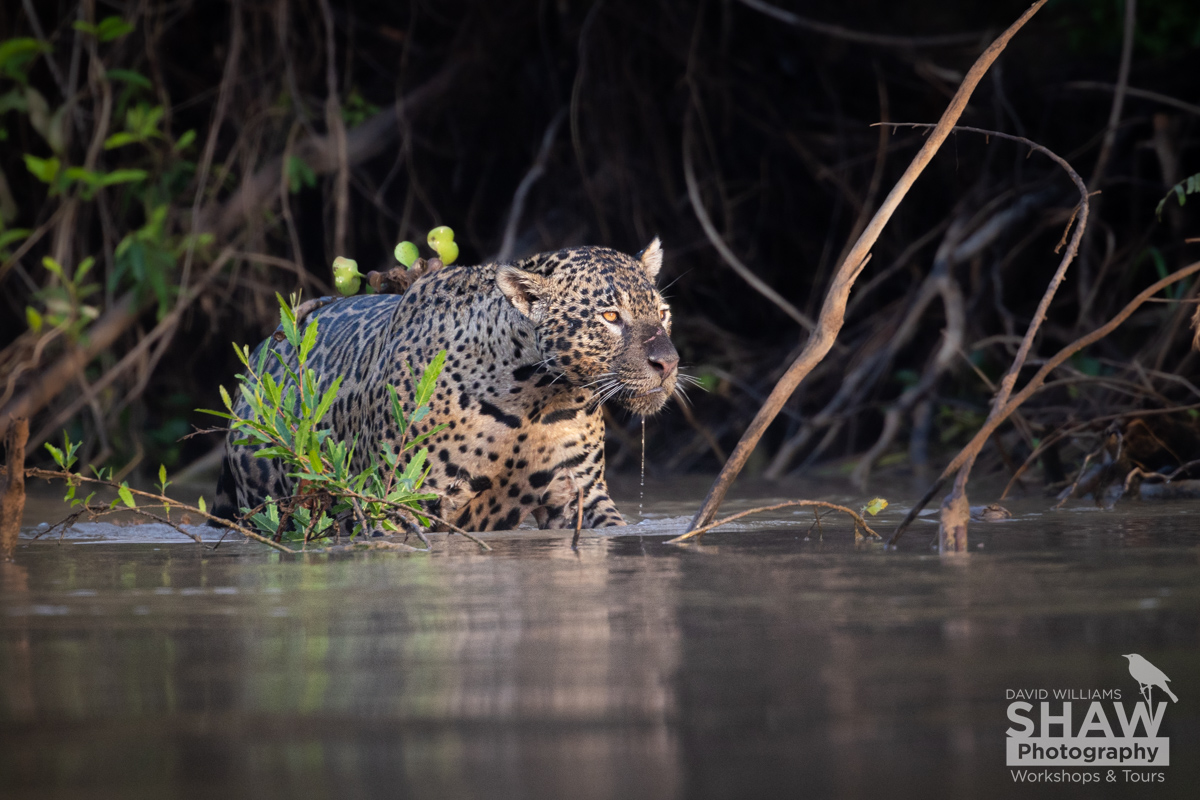
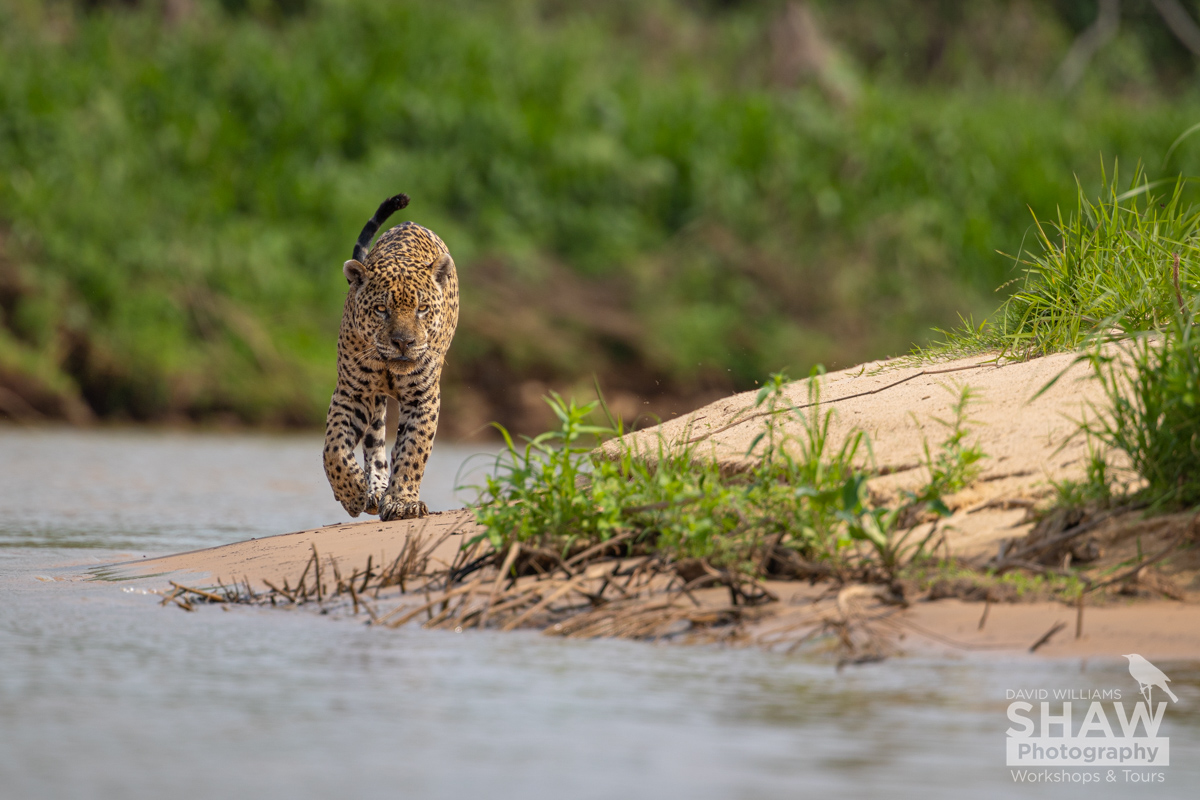
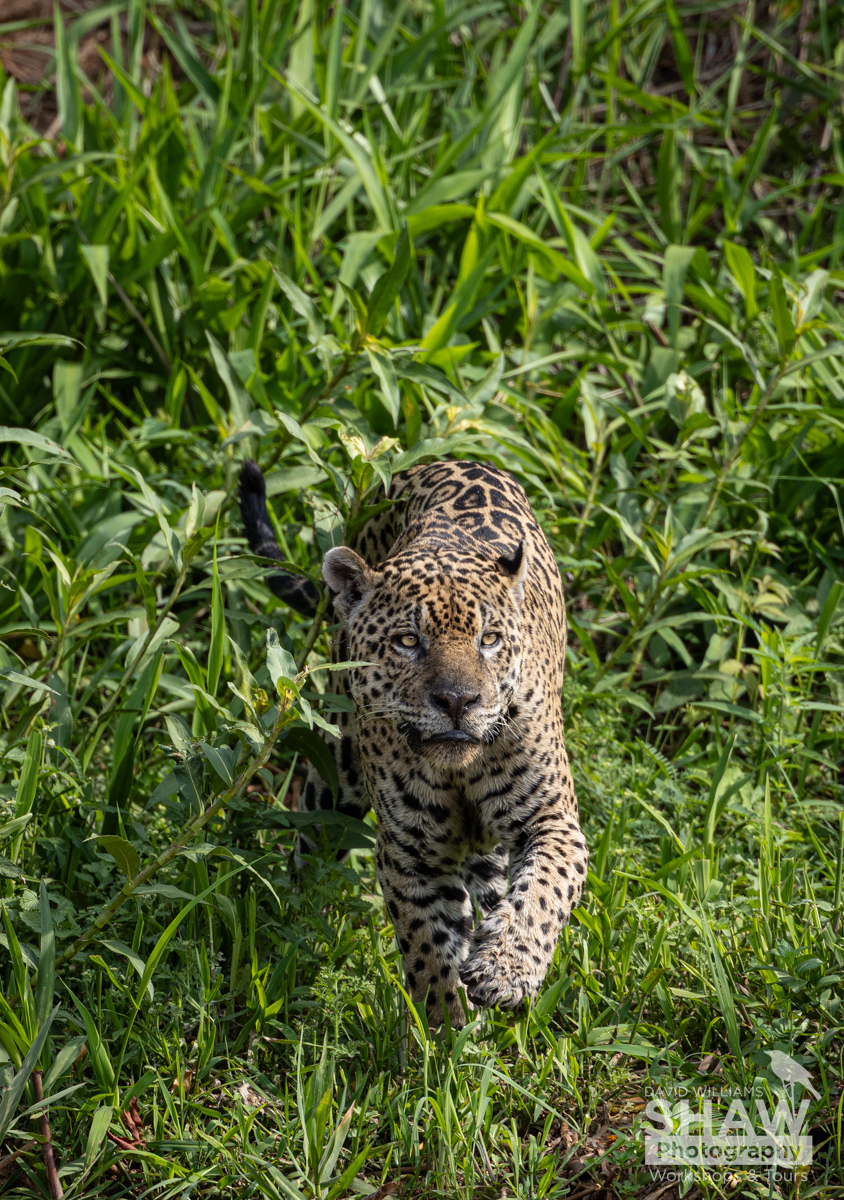
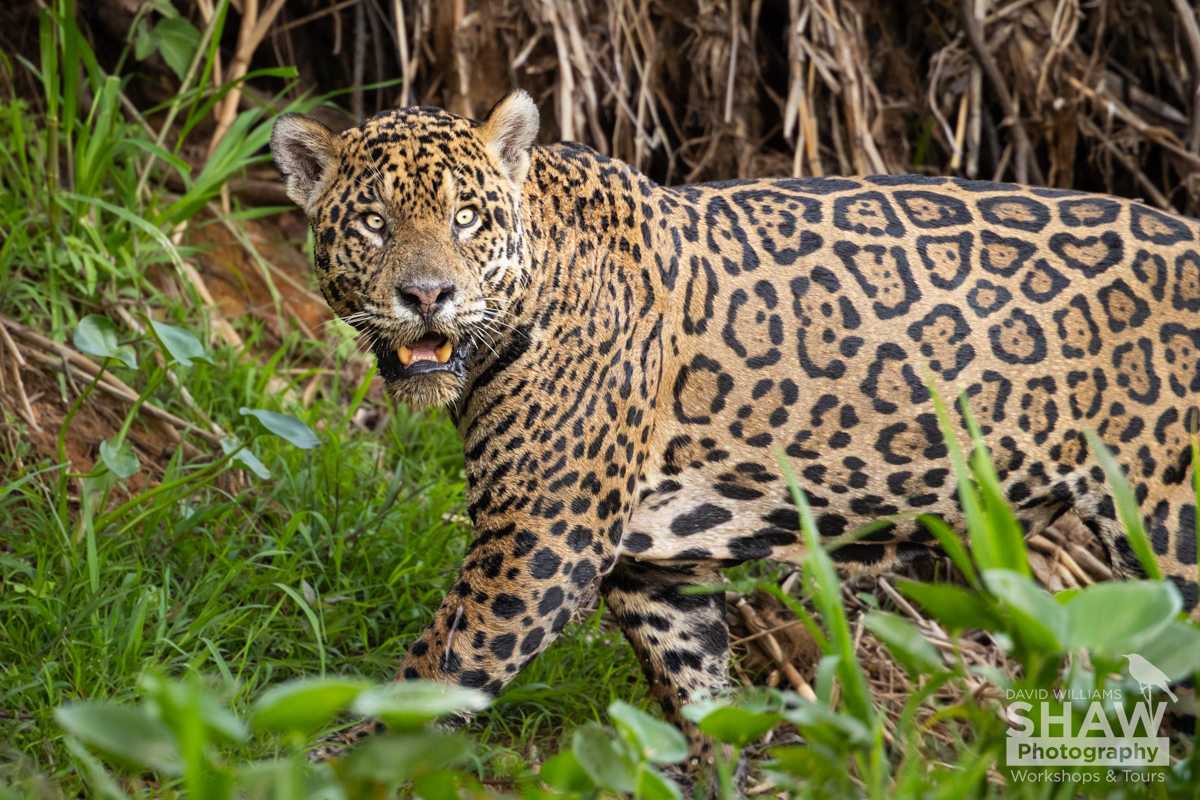
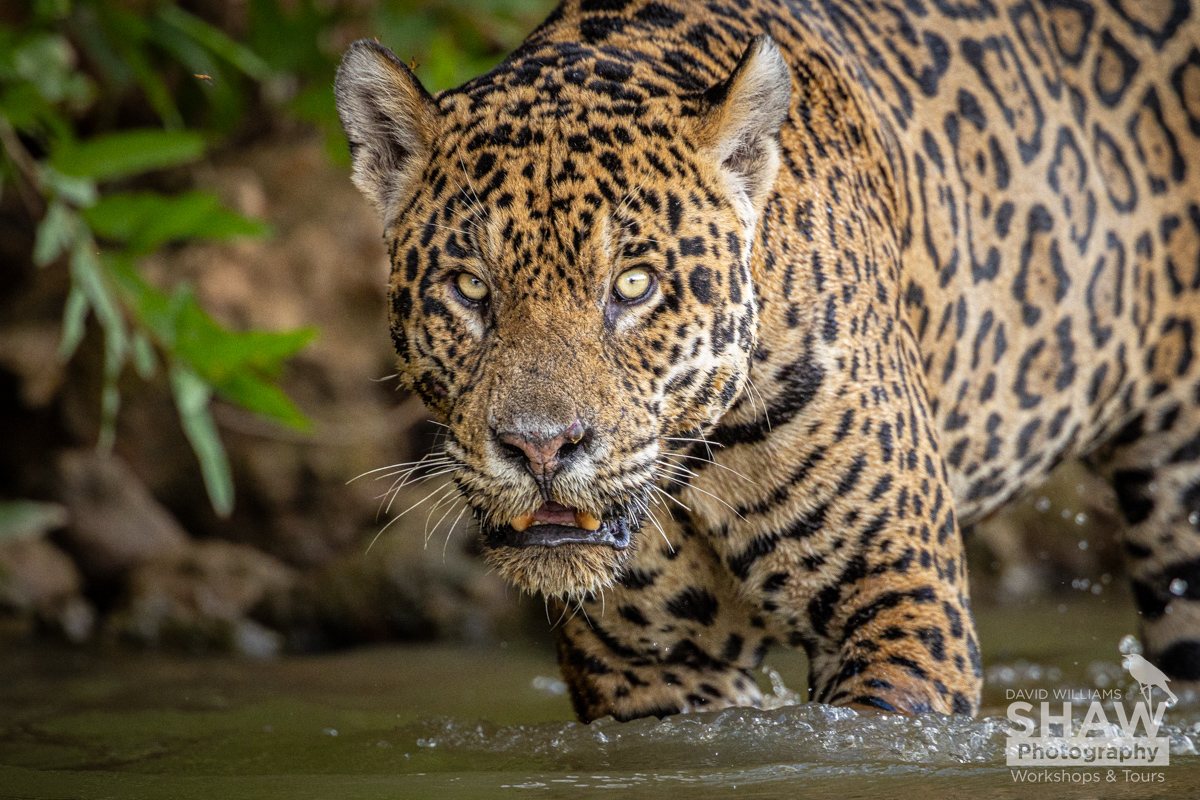
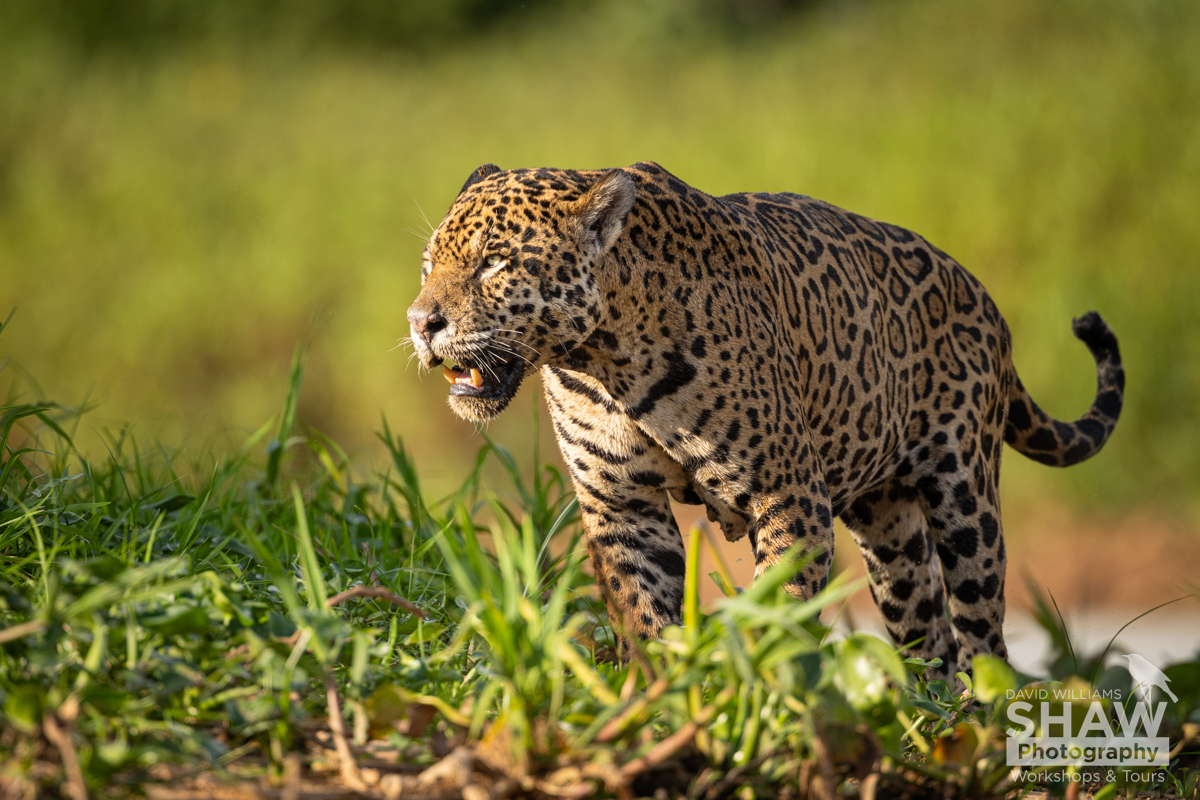
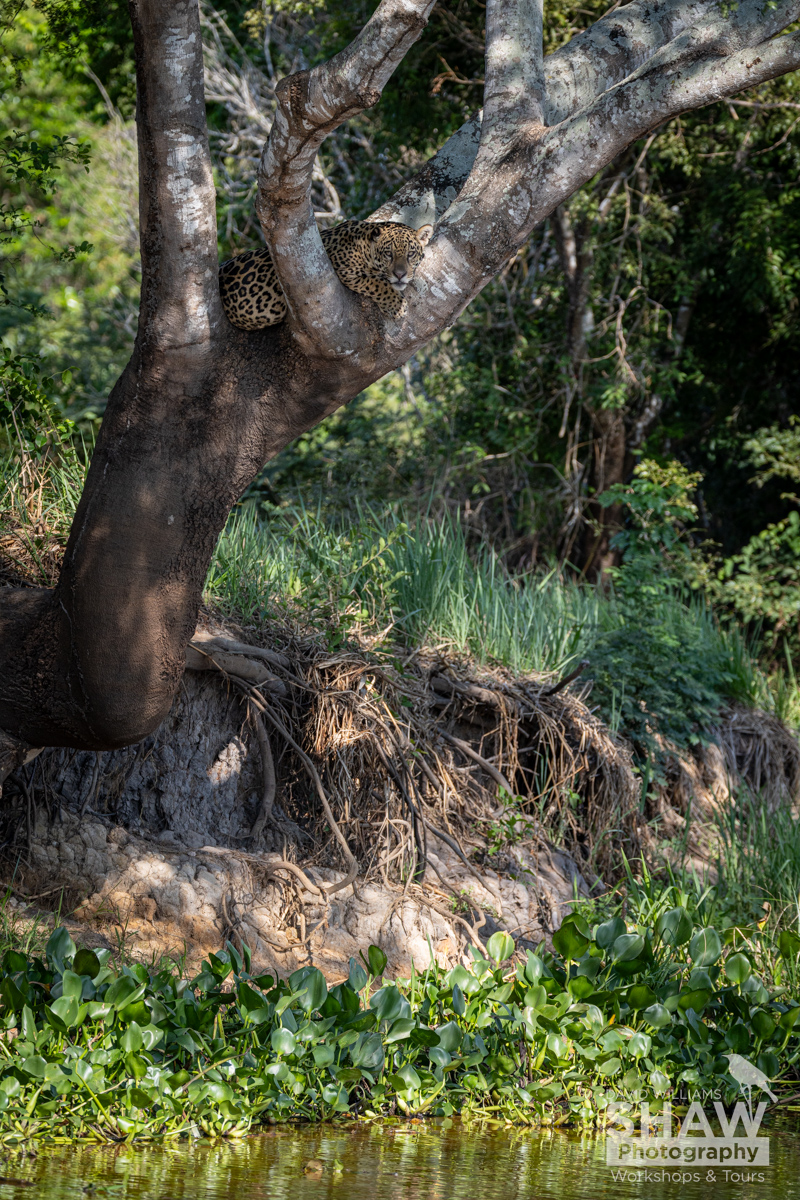
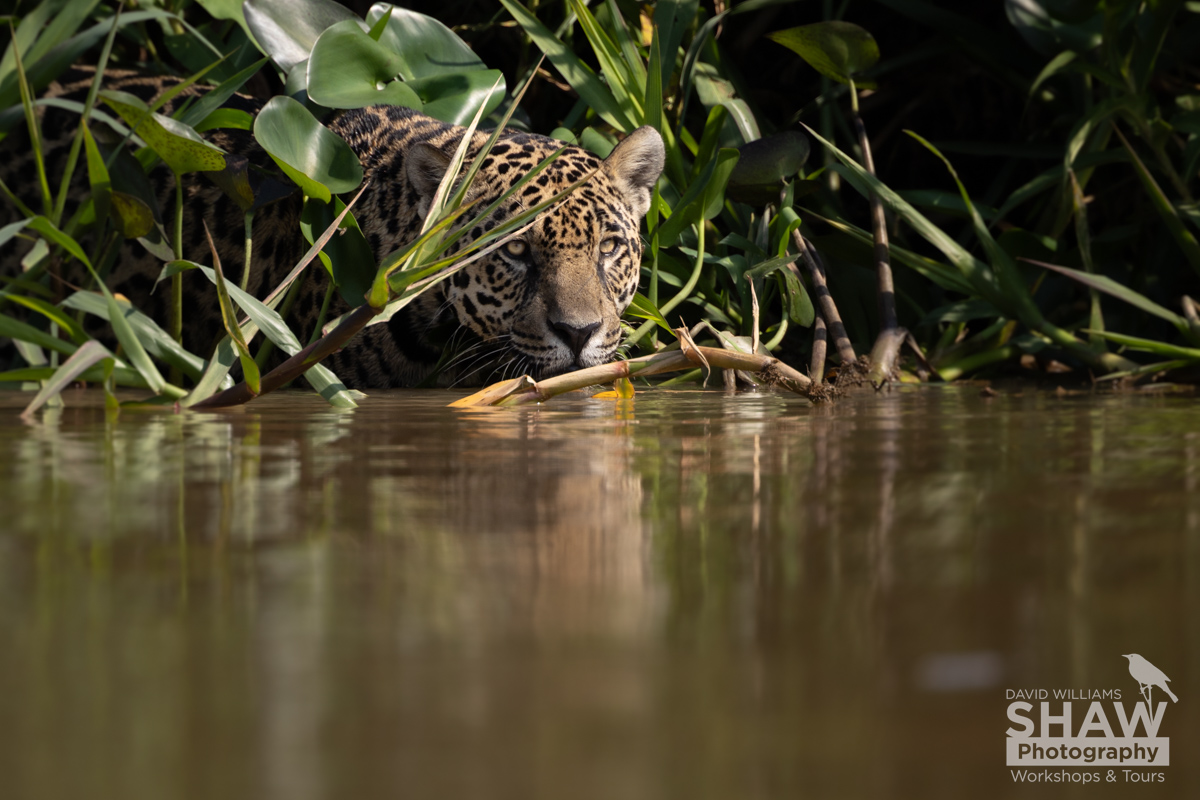
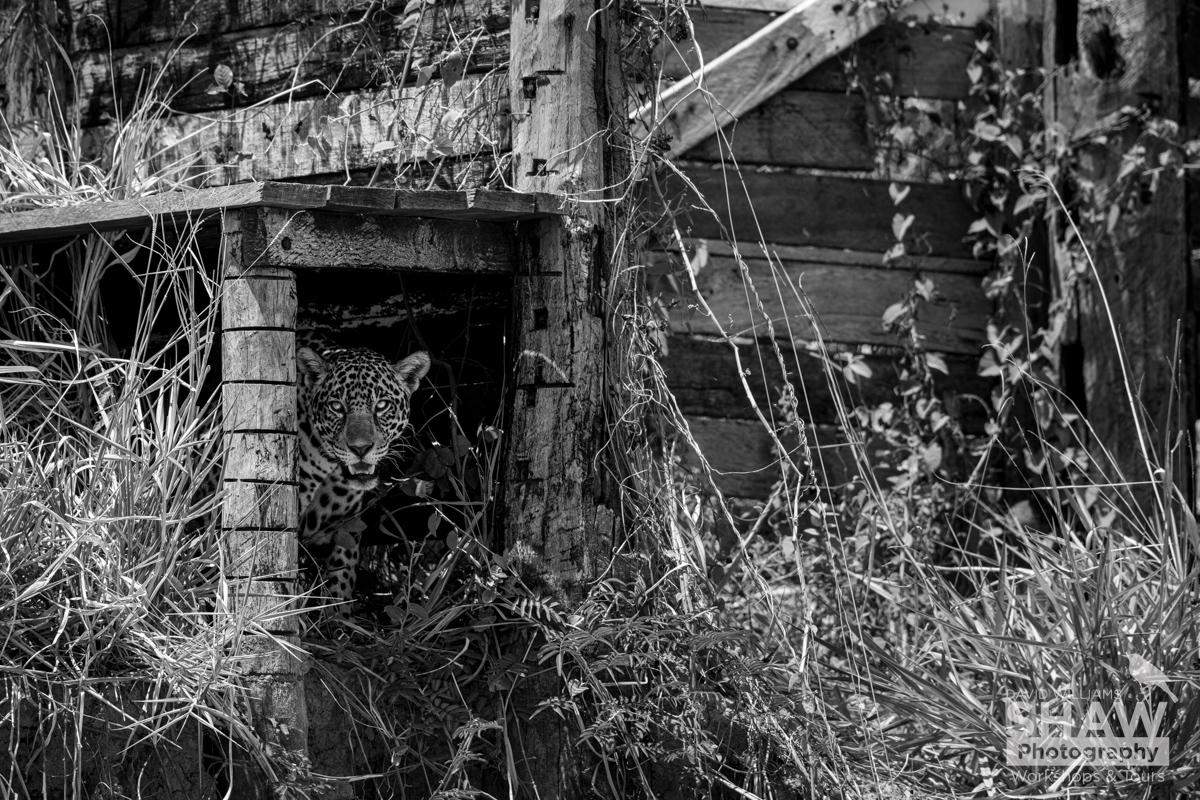
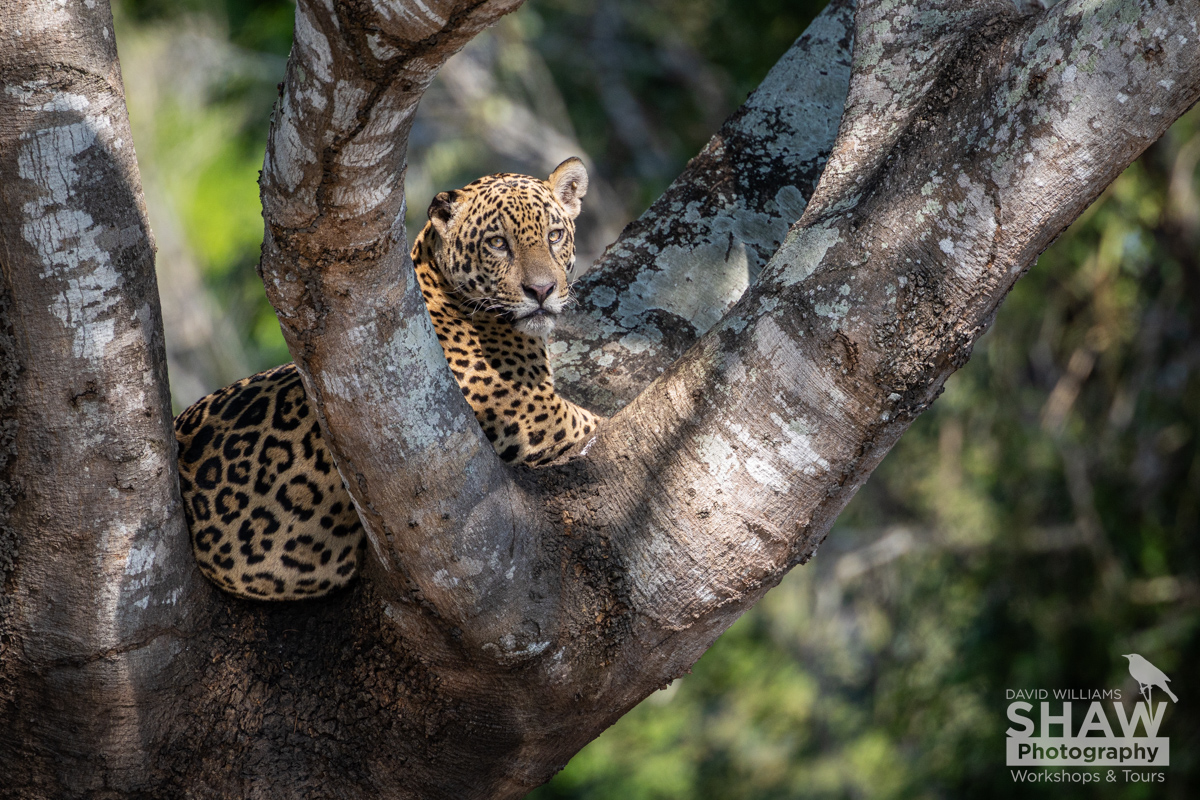
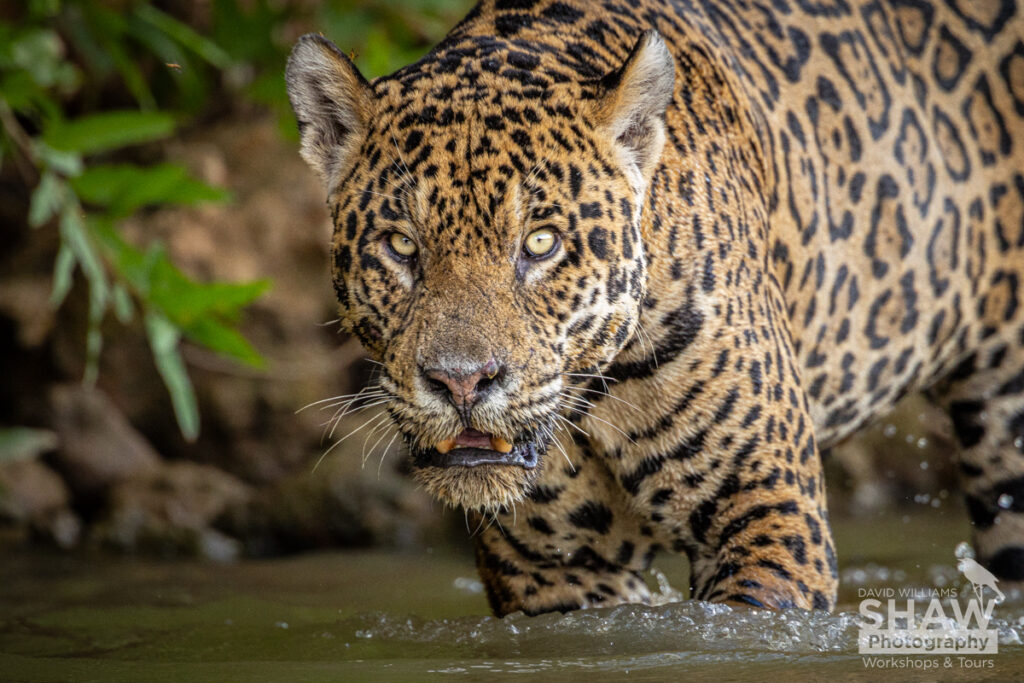
I’m not going to give you a blow-by-blow, but suffice it to say: we saw jaguars. Lots of them, and in a variety of situations—mating, fussing, hunting, sleeping, swimming, and chilling in a tree. But for me, the highlight was an encounter with a big male by the name of Bororo.
We’d motored away from another sighting when a few too many boats appeared, then pulled down a small side channel where we spotted Bororo swimming across. He climbed up on the shore and started walking toward us. The slough was too narrow for us to pull very far away, but we did the best we could and then sat quietly as the enormous spotted cat walked within feet of us, just across the narrow ribbon of water.
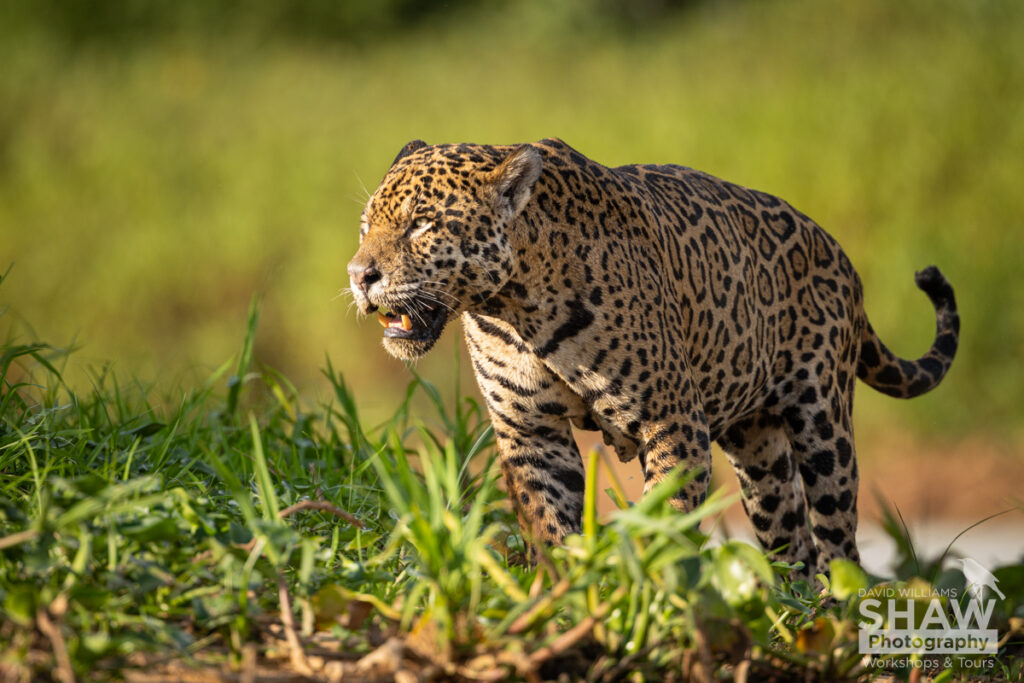
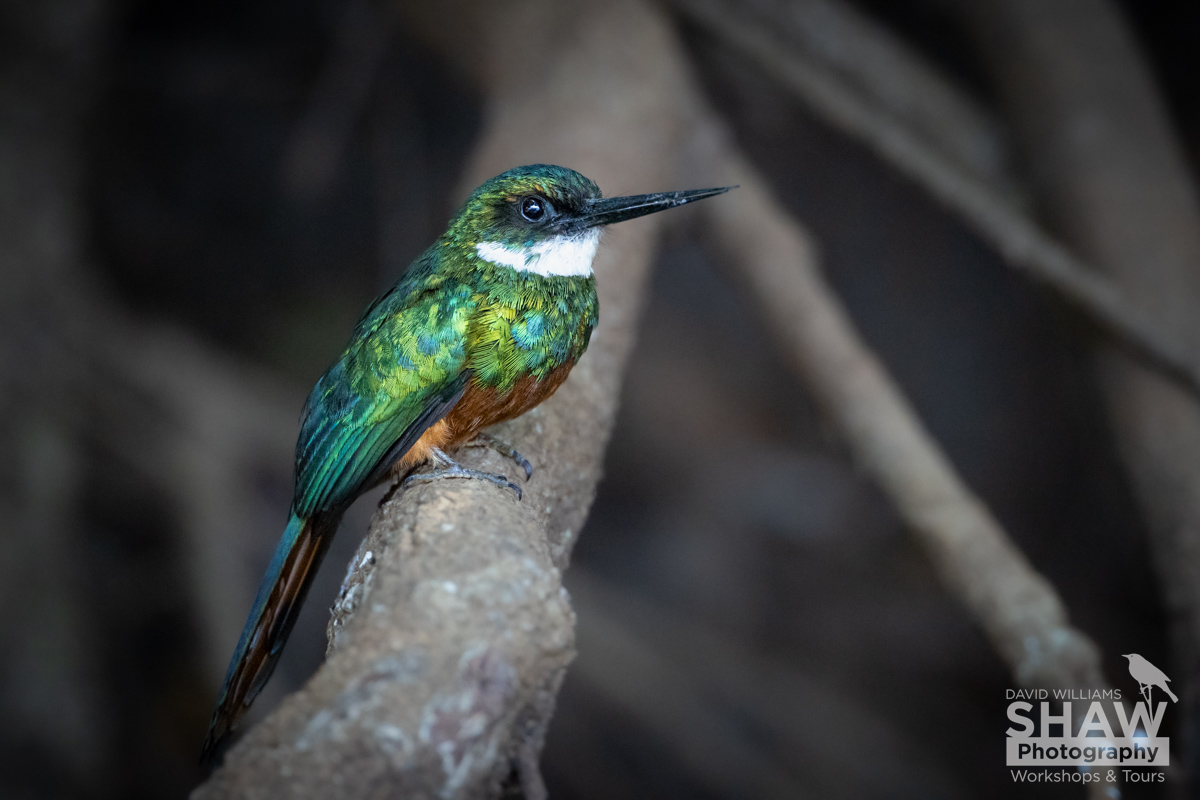
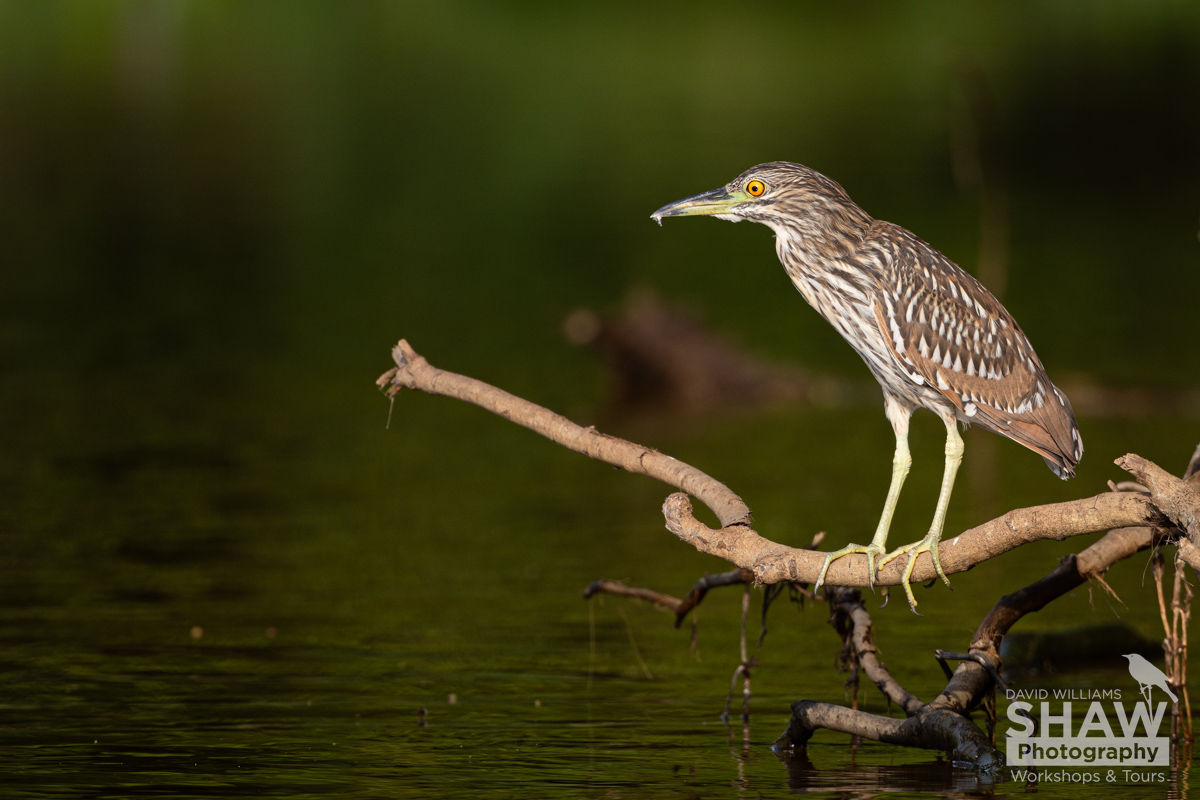
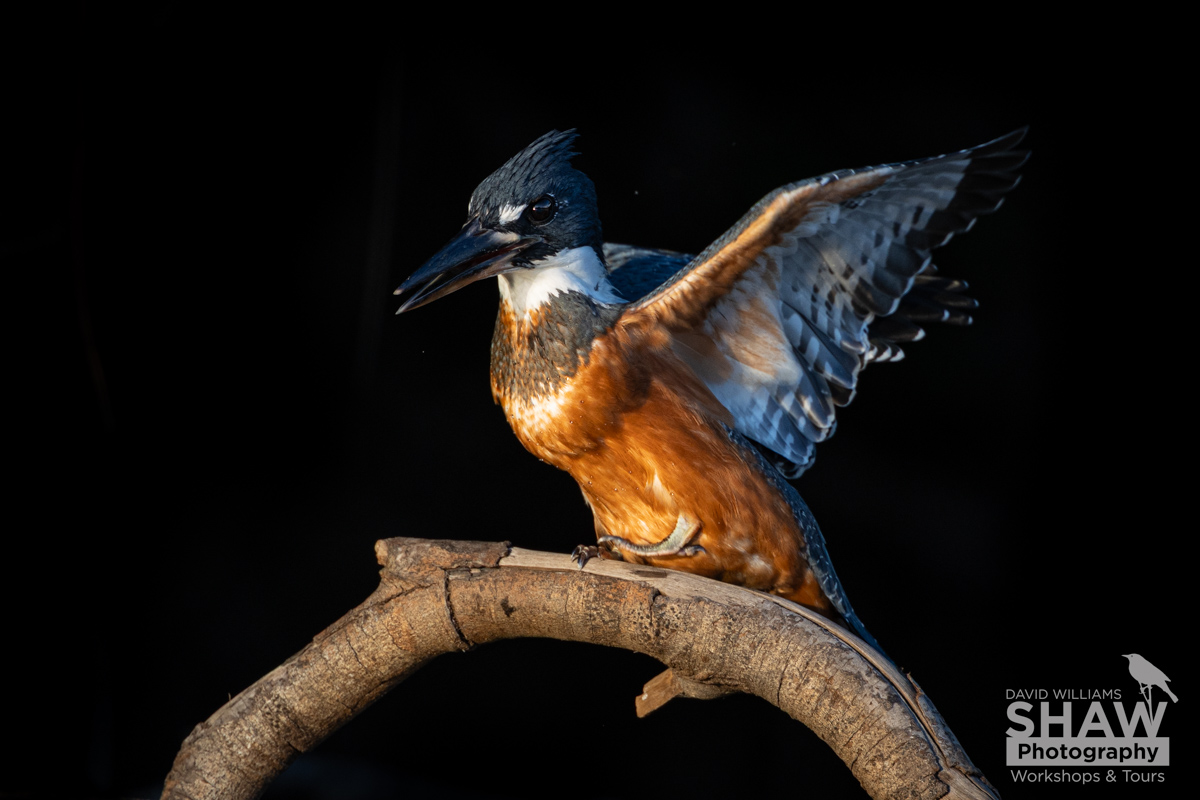
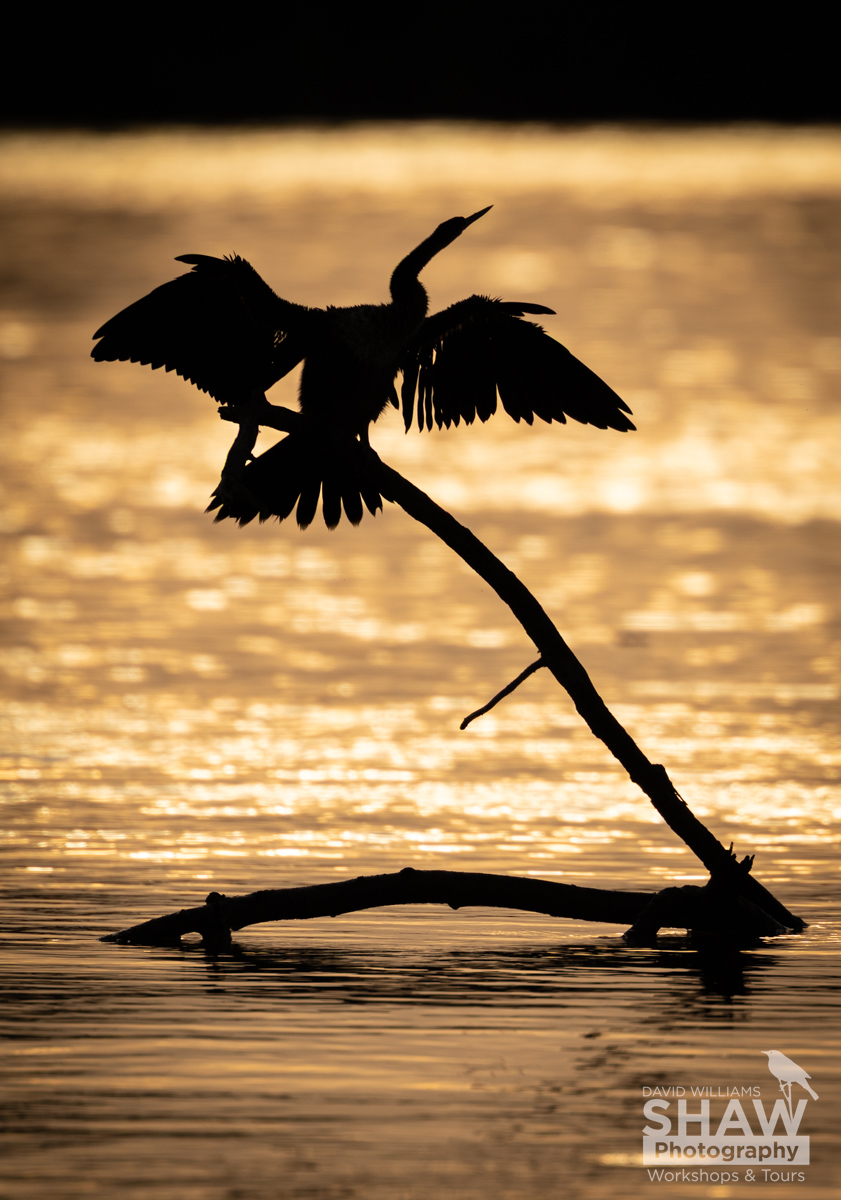
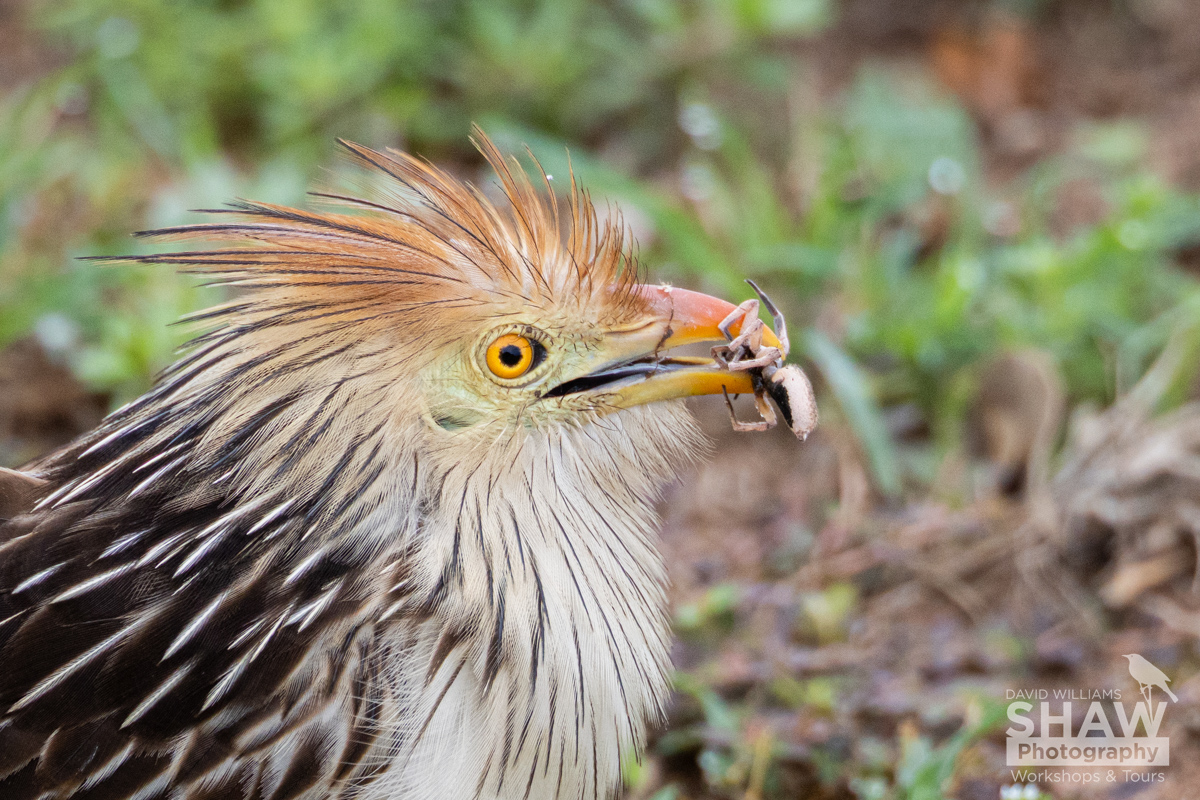
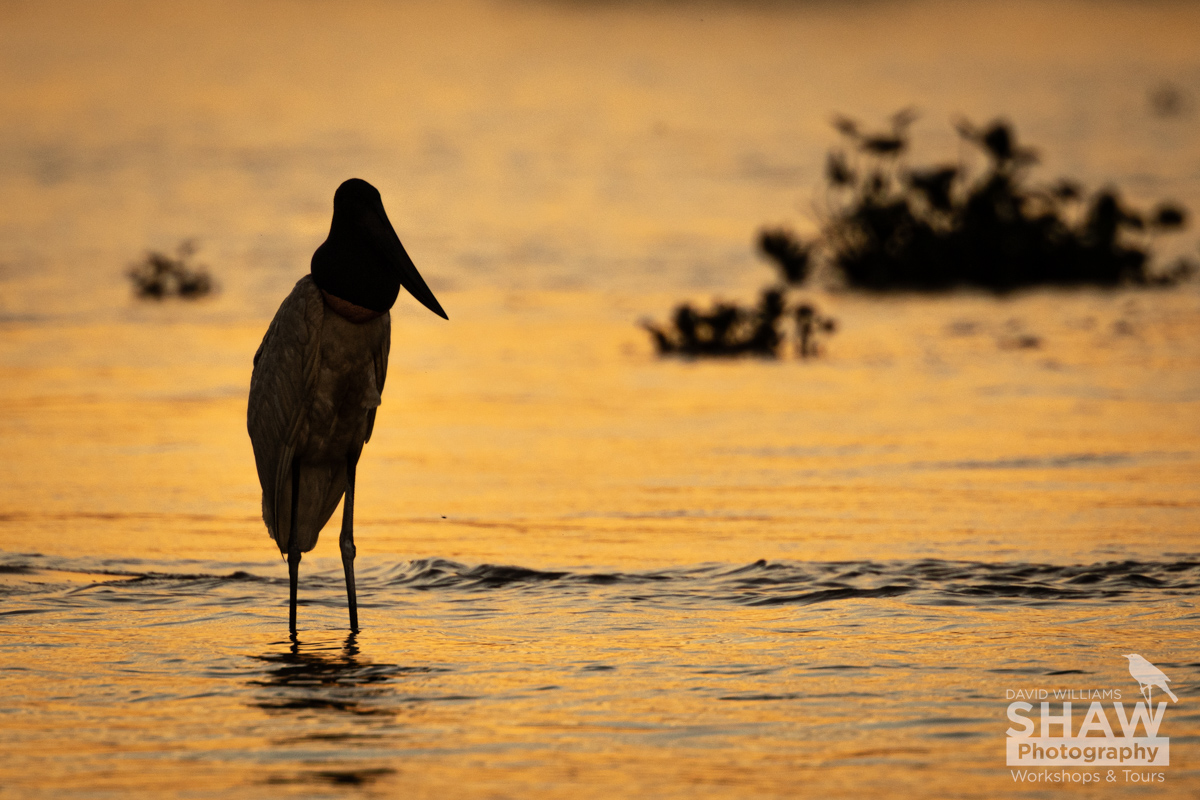
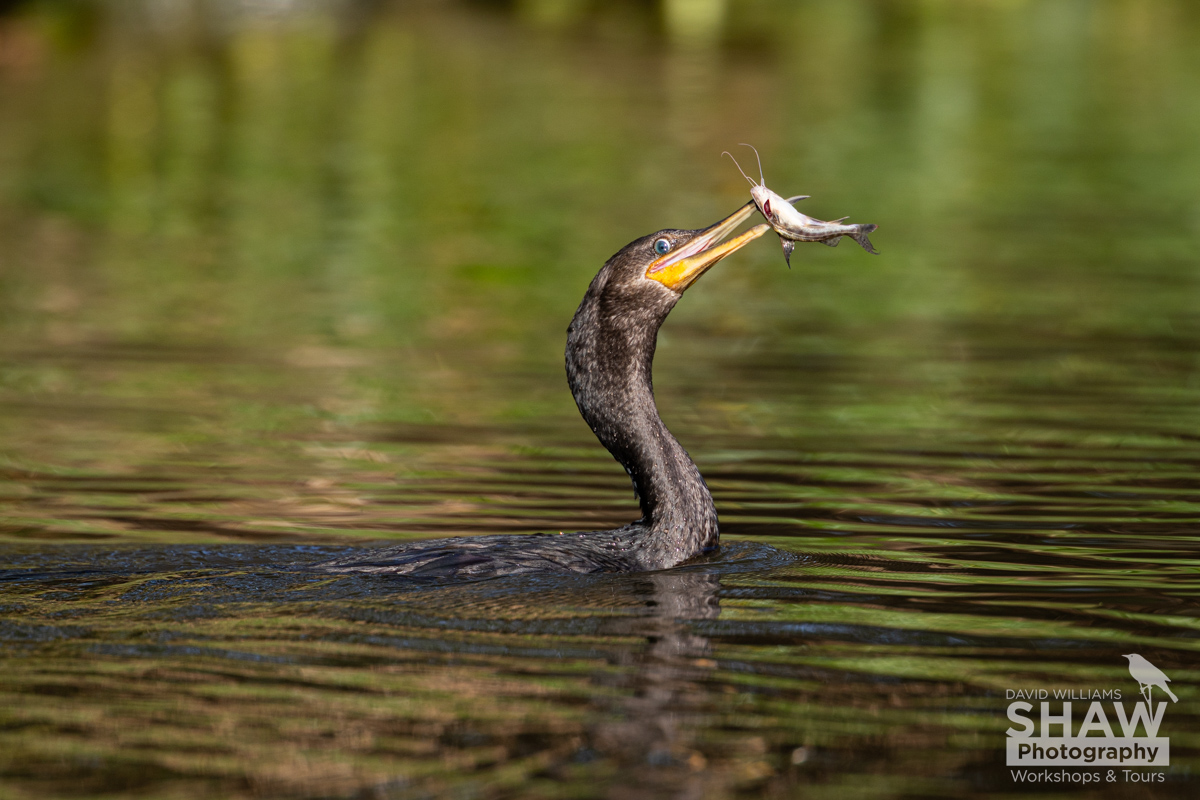
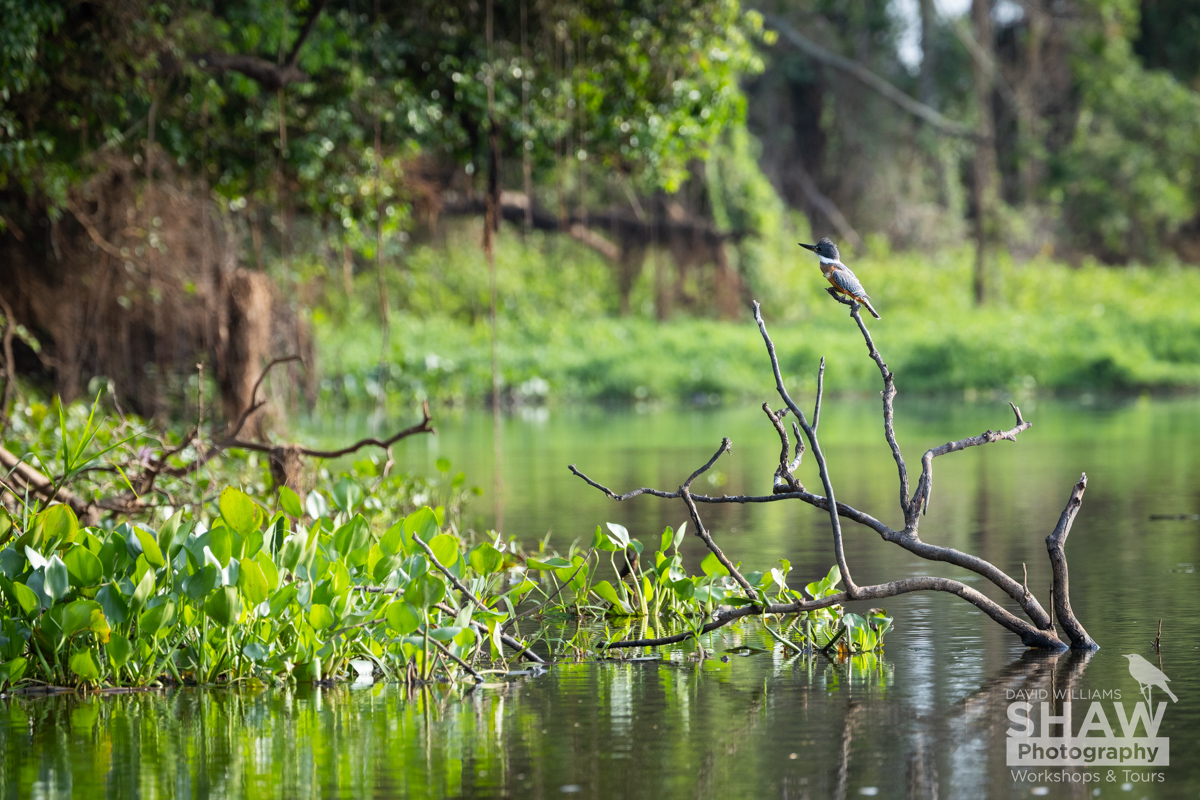
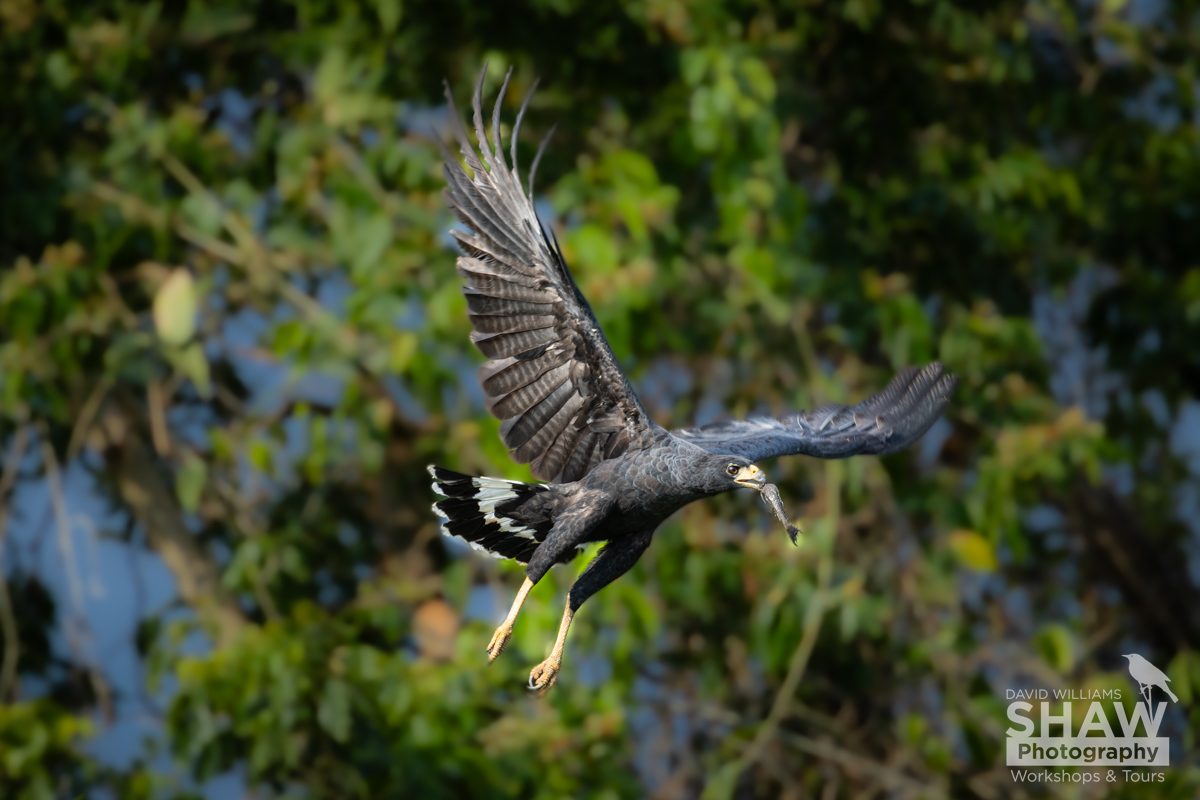
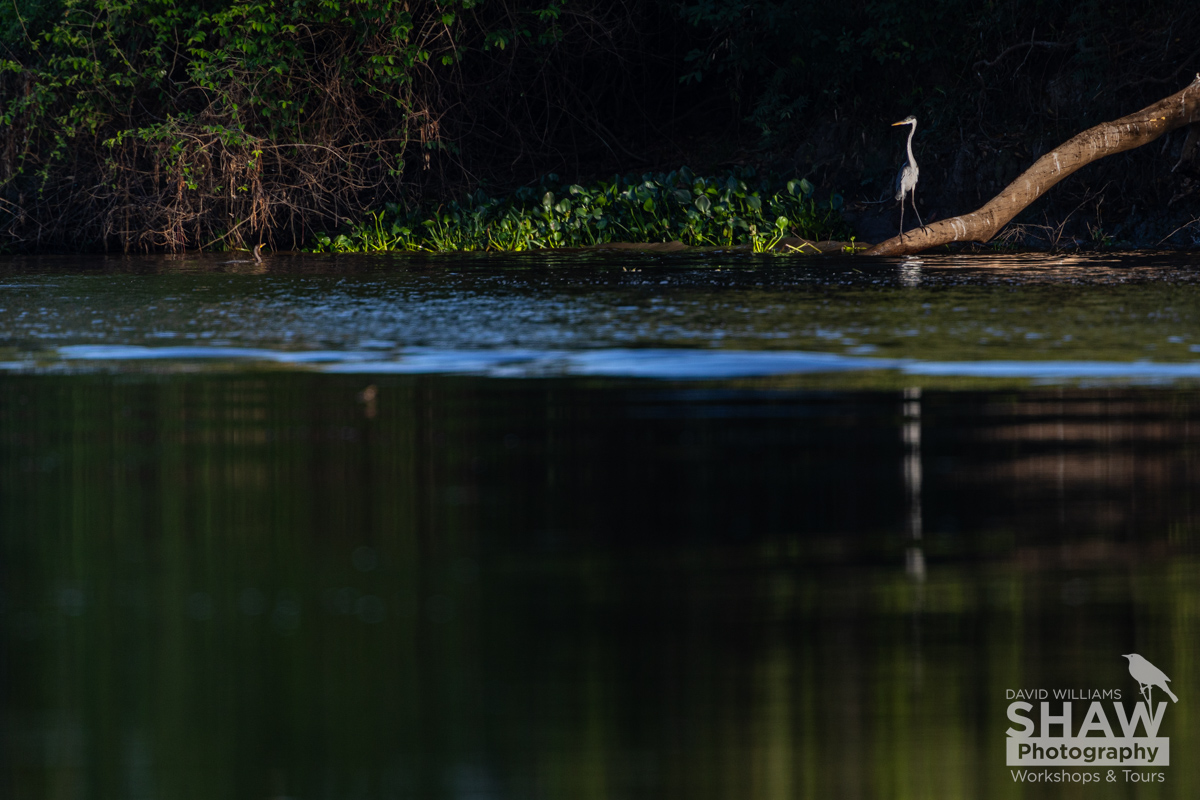
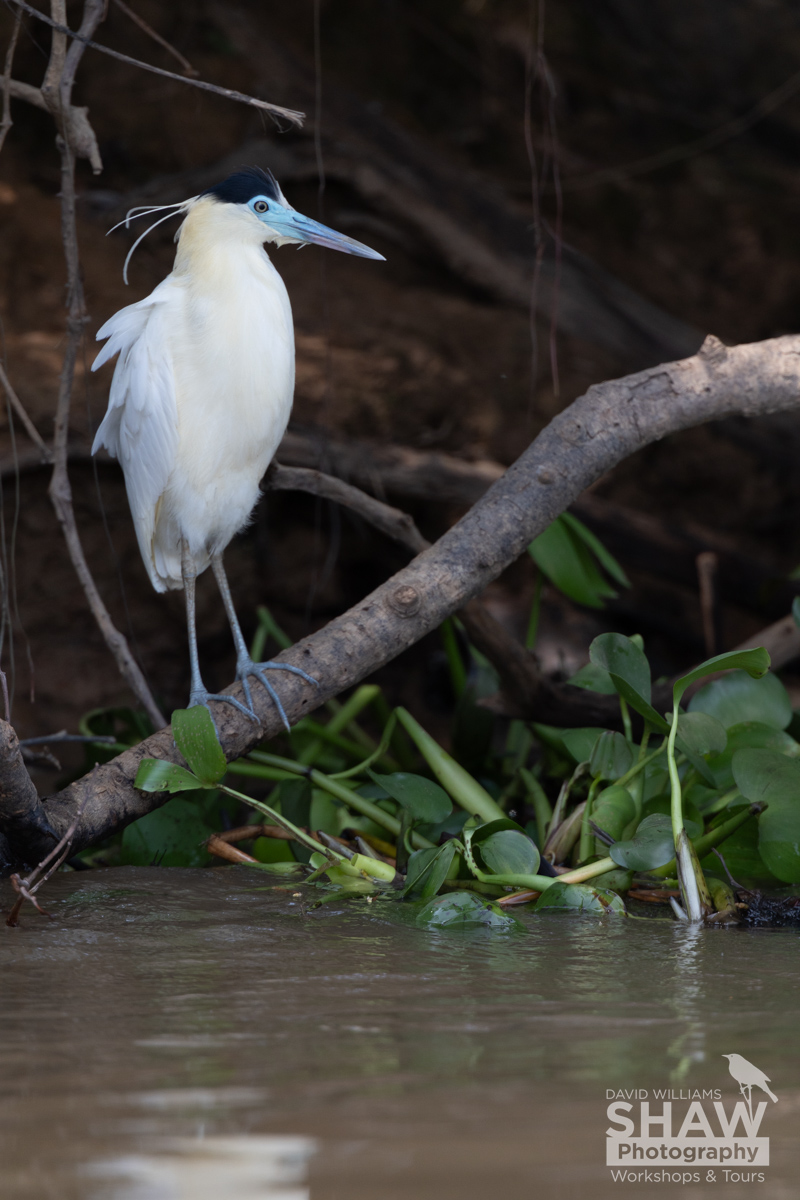
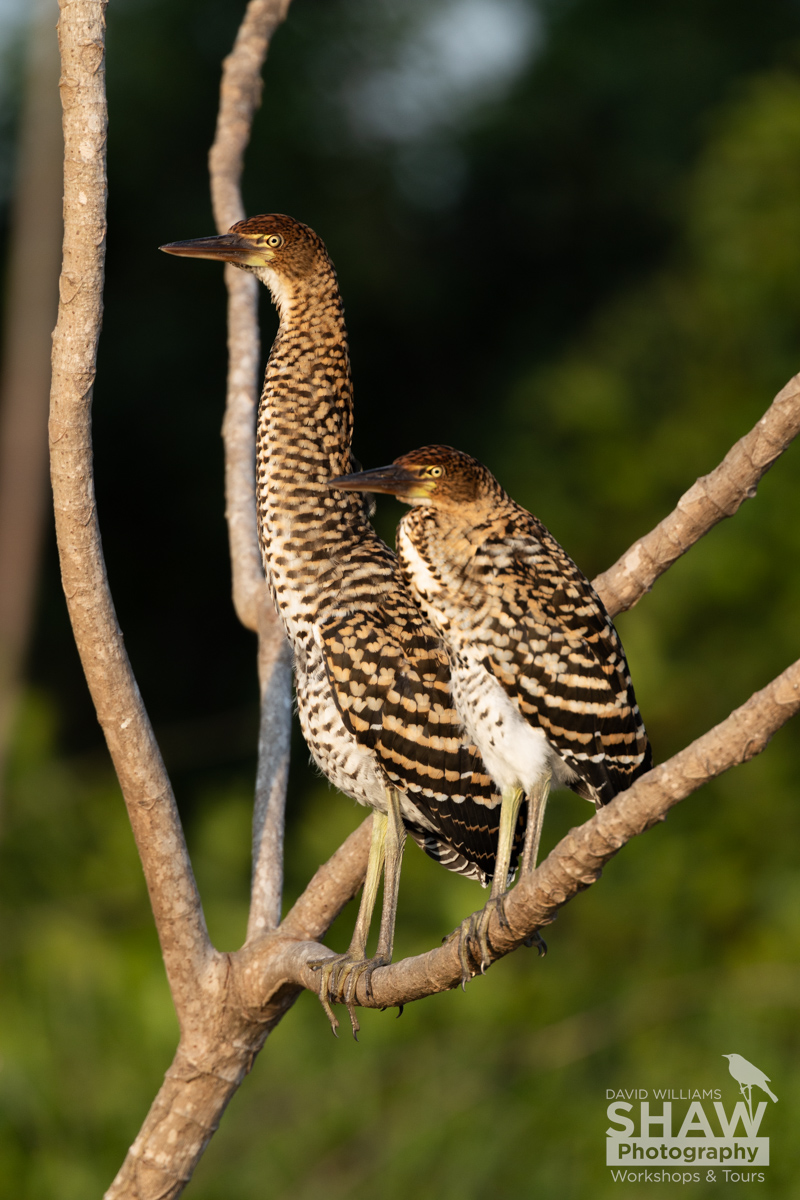
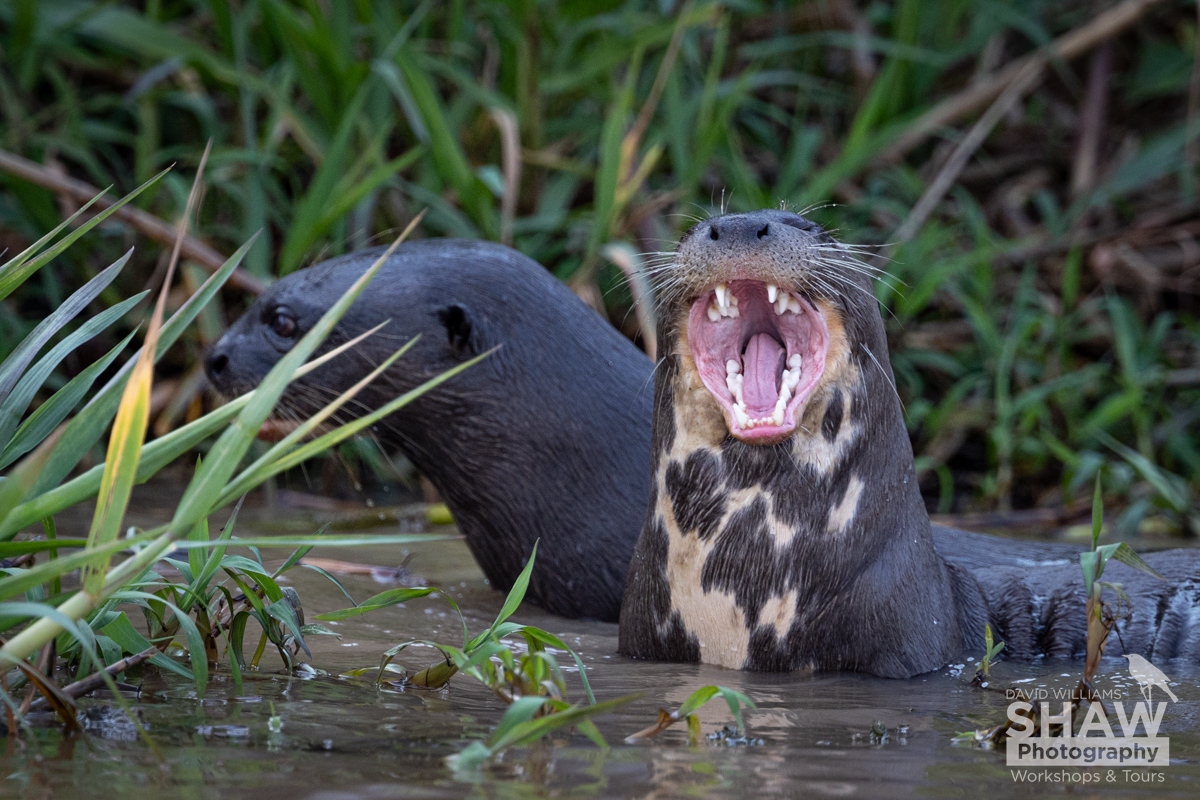
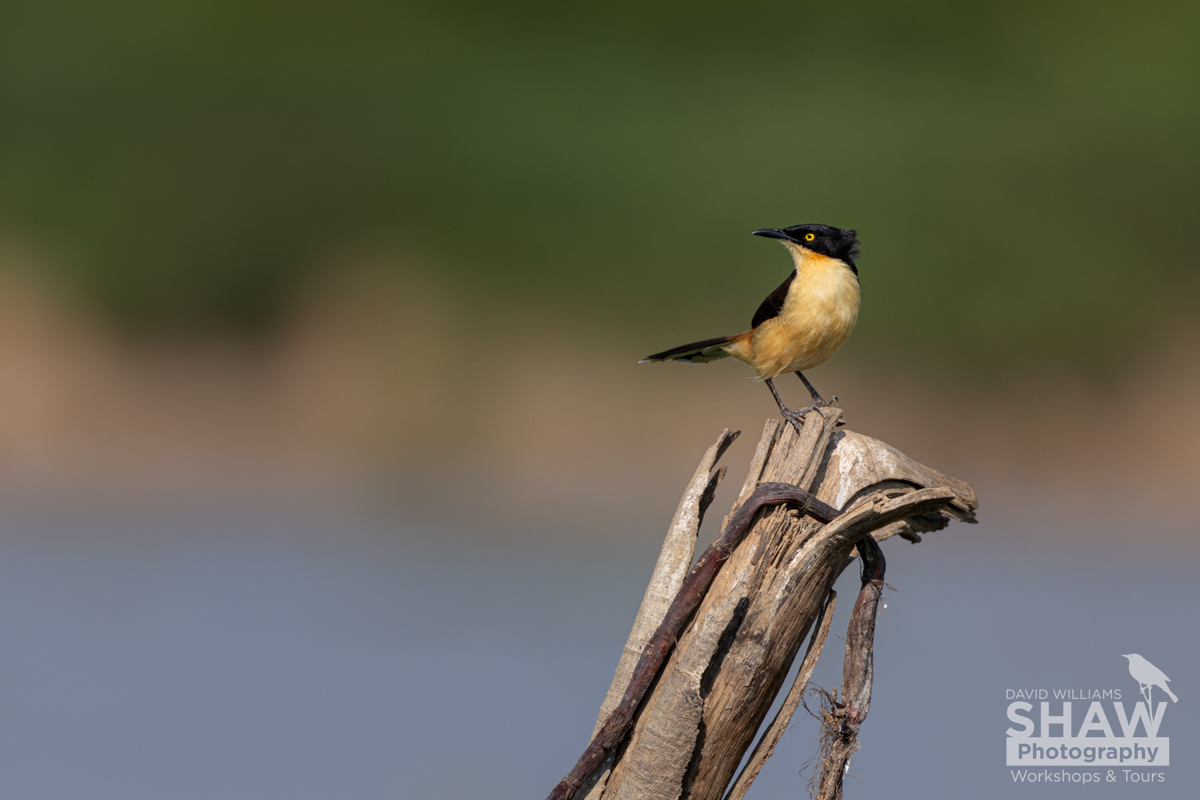
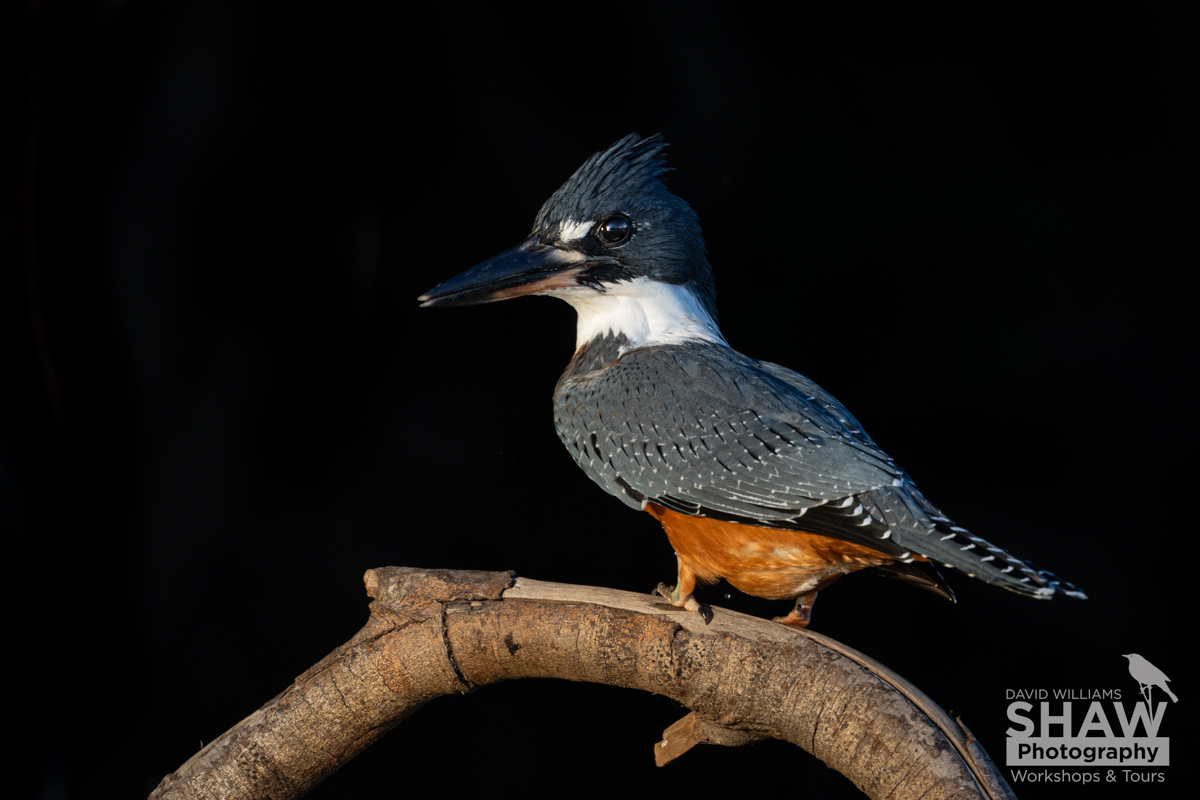
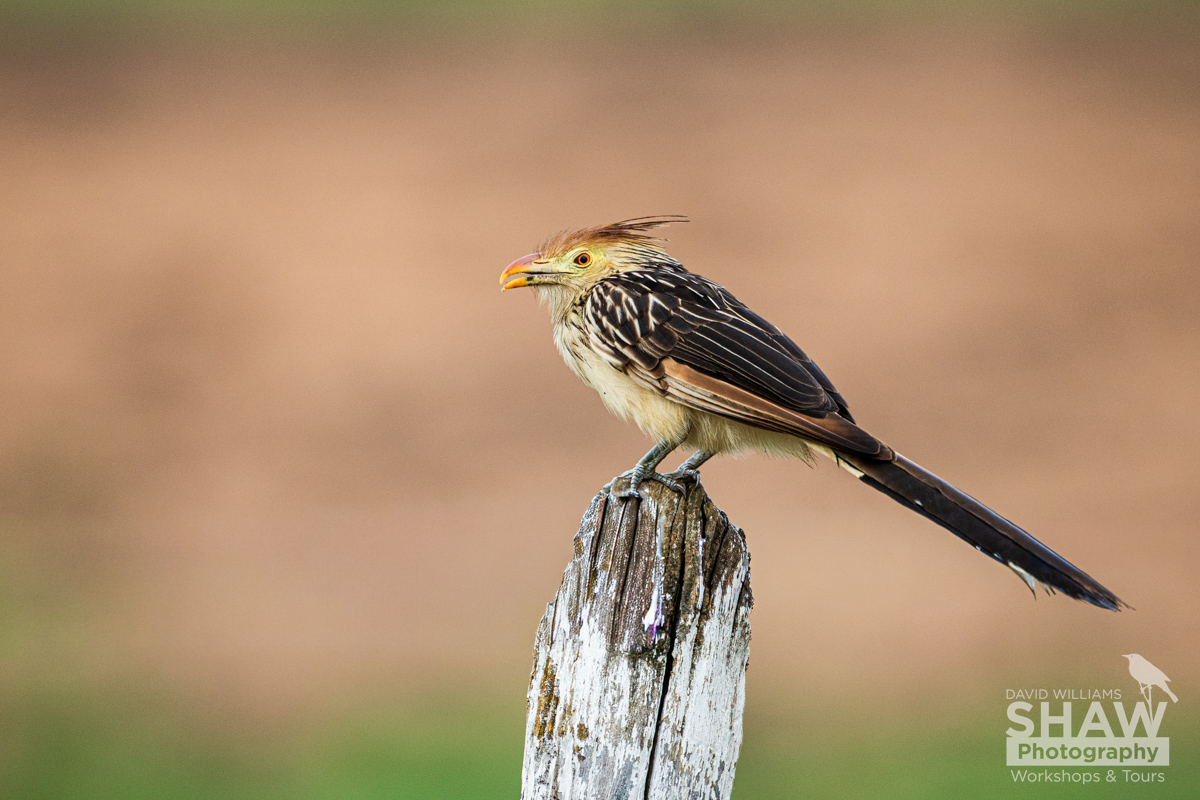
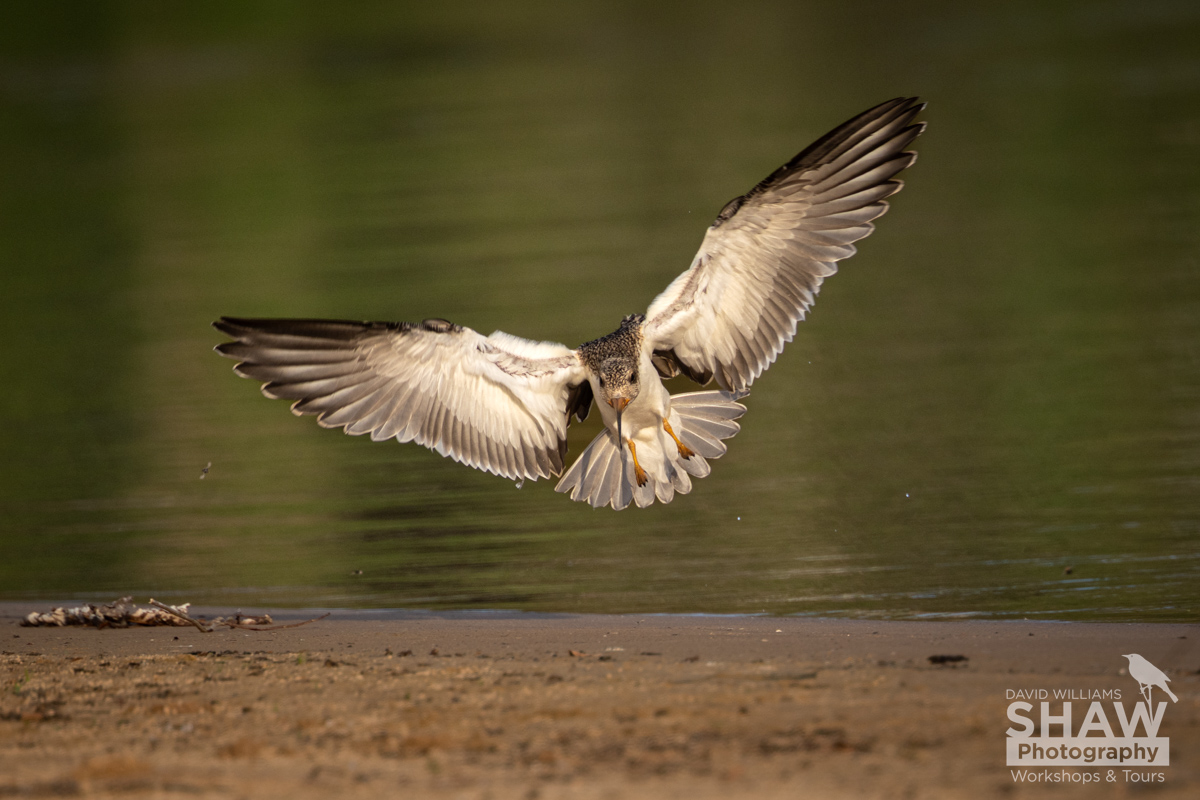
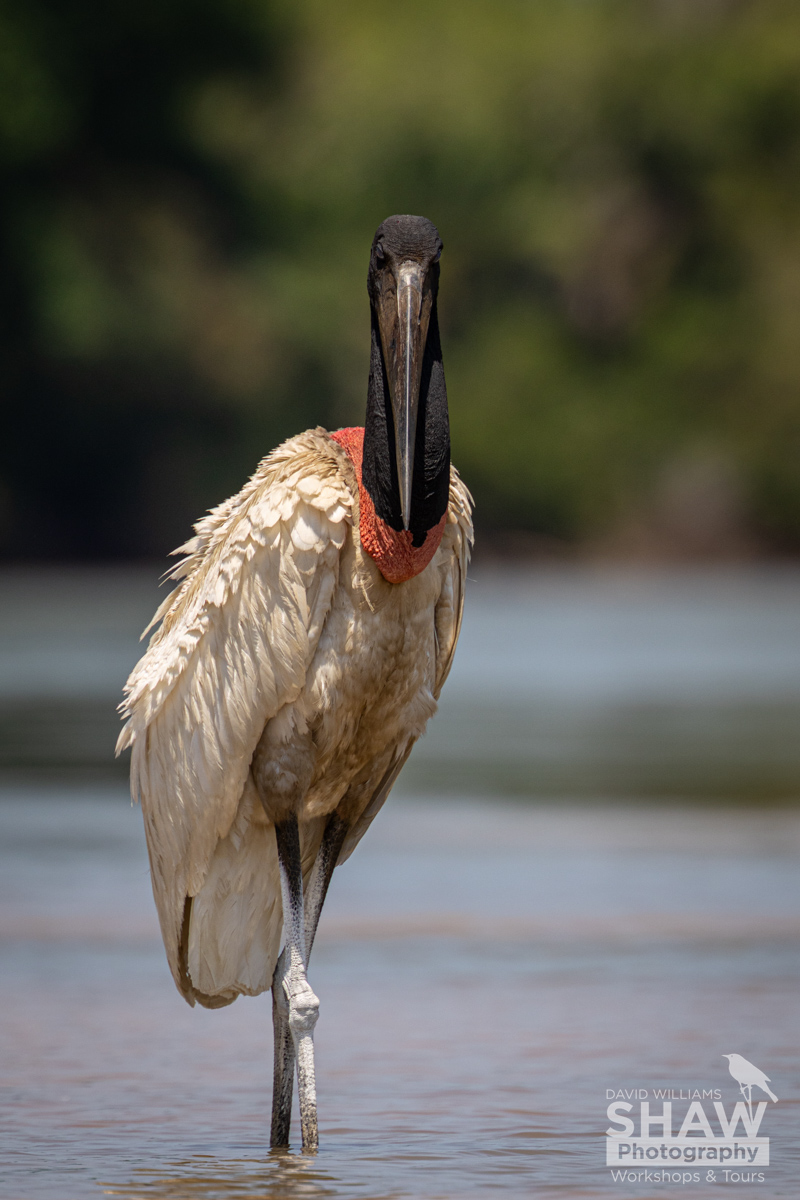
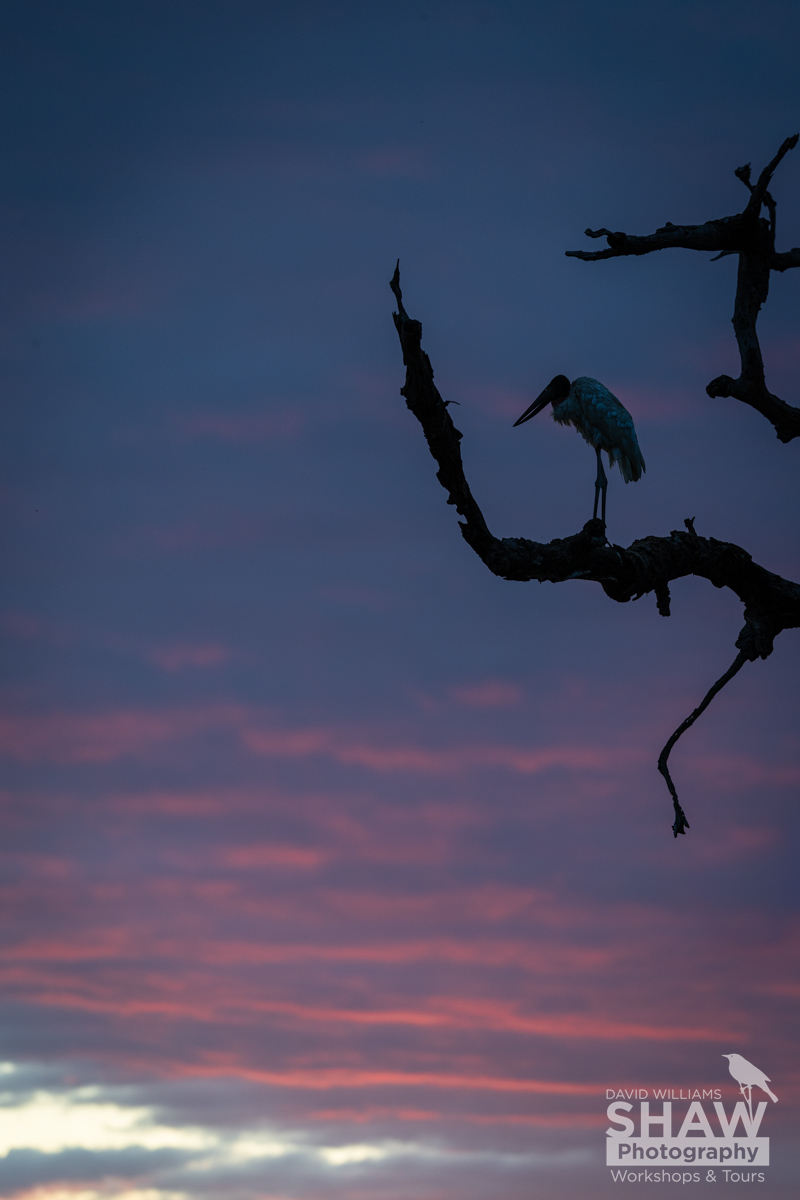
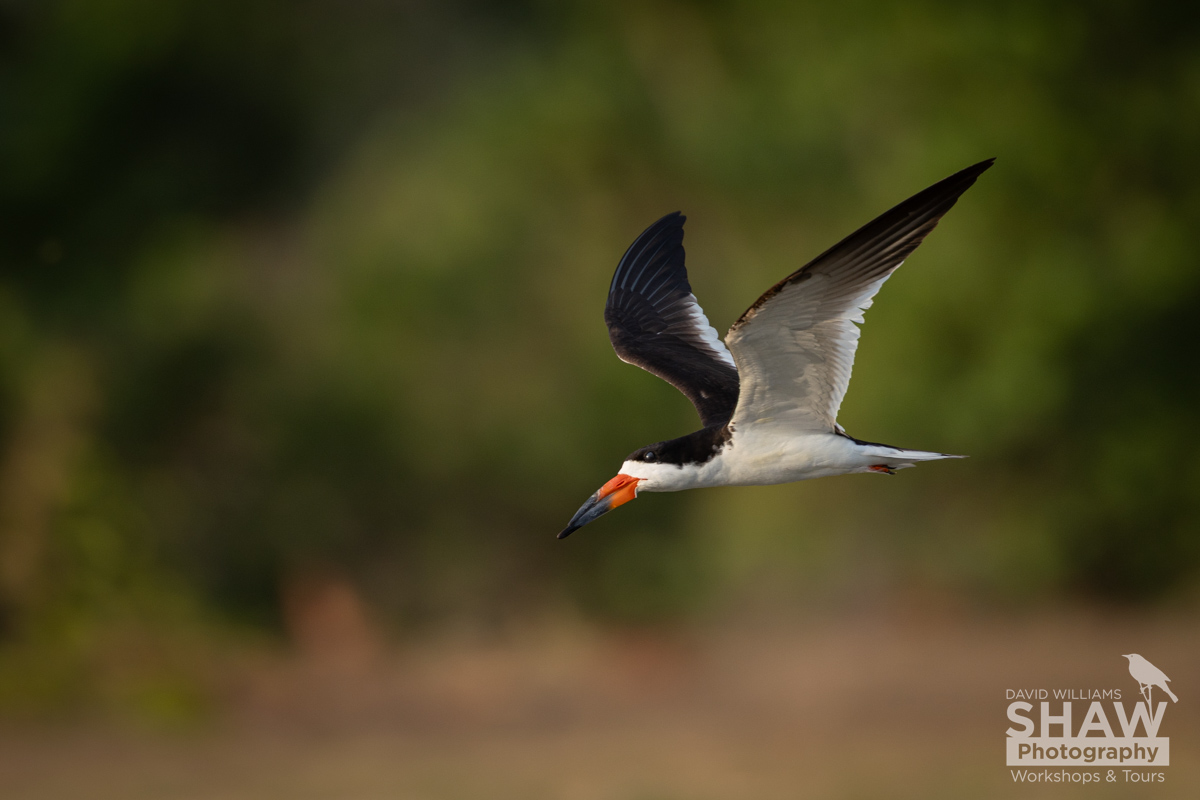
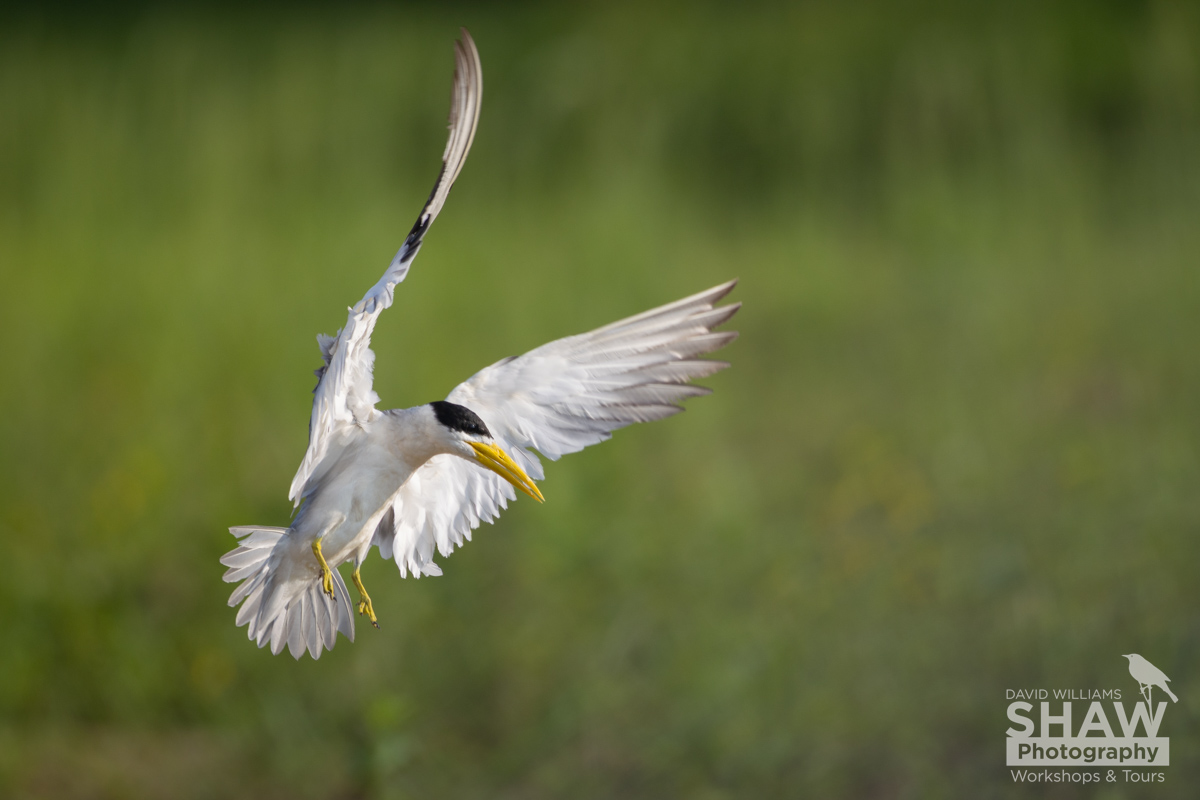
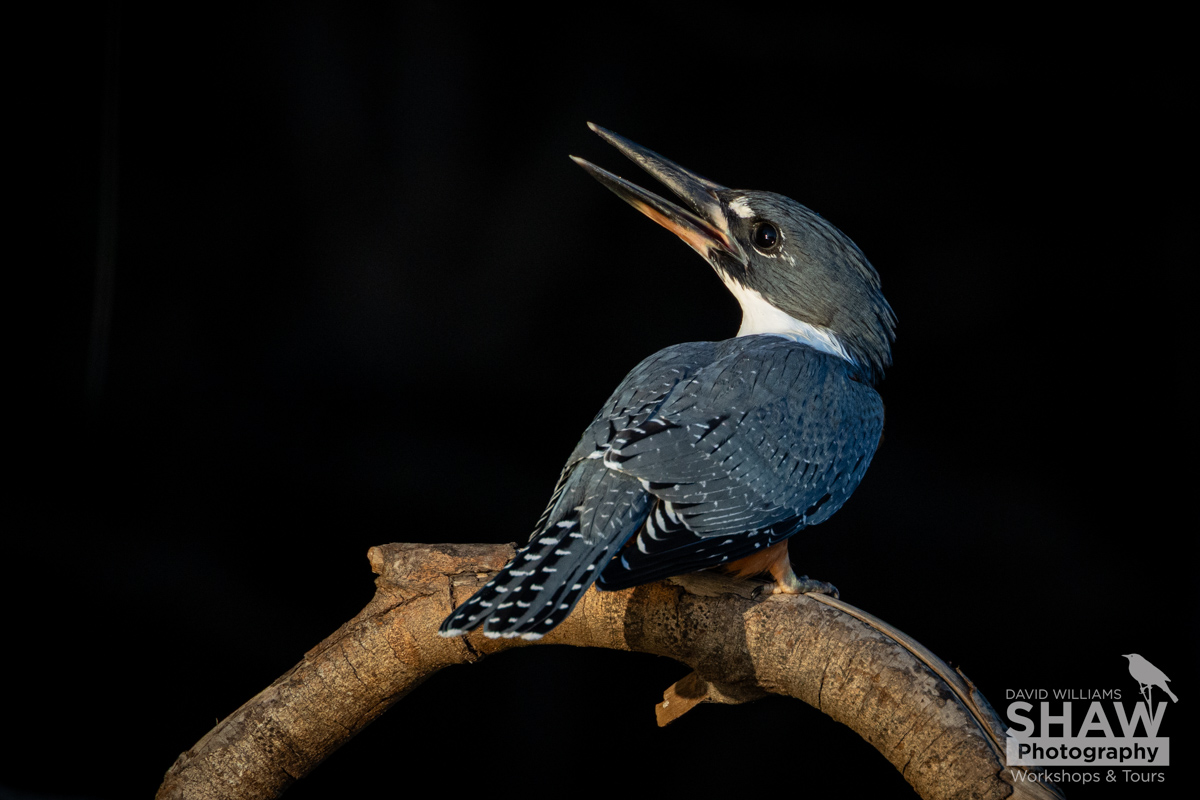
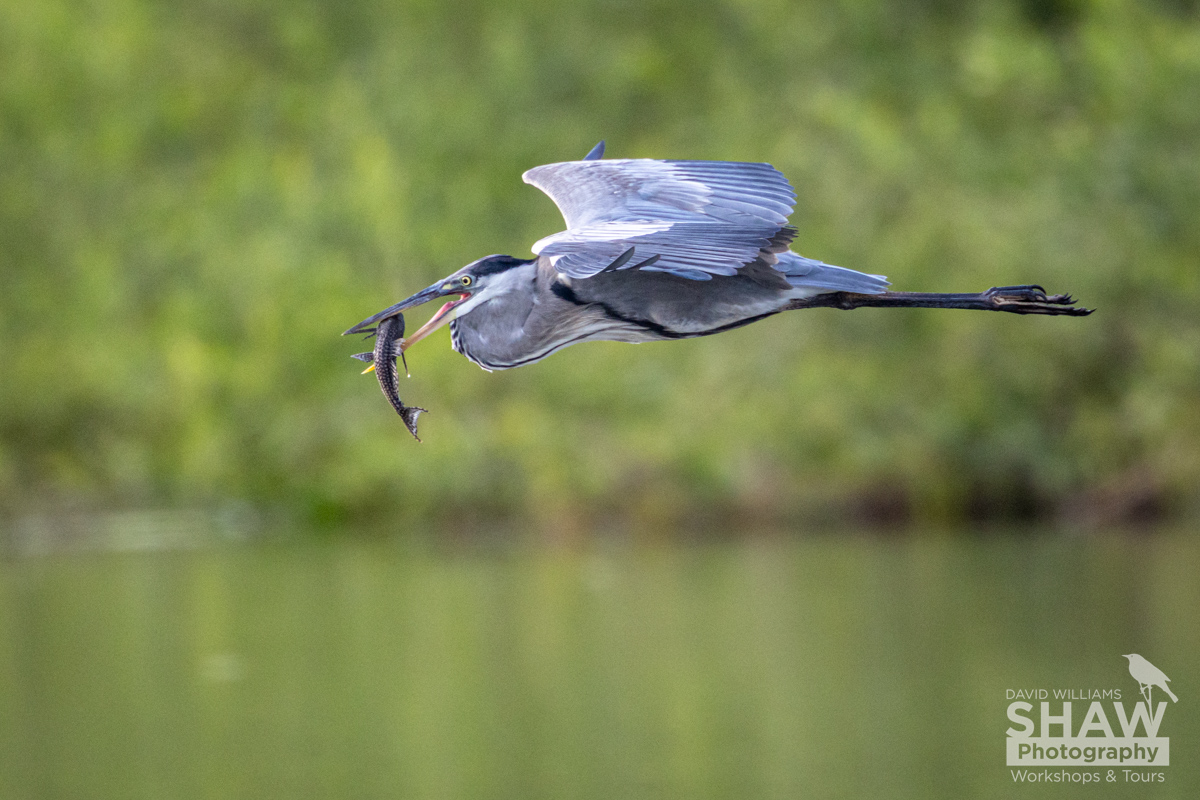
When we weren’t photographing jaguars, we were capturing photos of several species of kingfishers, cormorants, anhingas, herons, and so many other birds I’d bore you to death listing them all.
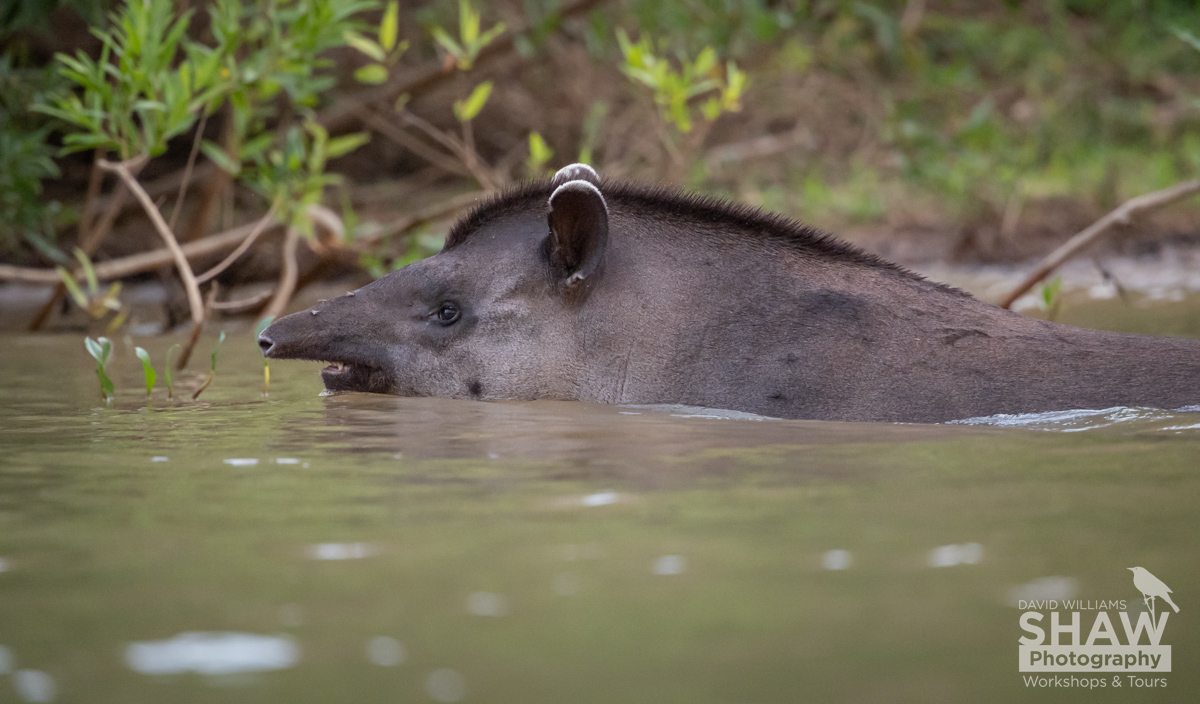
One other highlight I’d like to mention was an evening up the Piquiri River (a clear-water tributary to the Pantanal system), when we spent half an hour with a tapir. I’ve seen tapirs before, but only in fleeting glances. This time, we were able to spend abundant time with an individual as it swam across the river—often submerging entirely—and then worked its way upstream. They are truly the weirdest animals: nose like an elephant seal, mohawk-haired, and built like a horse. Very weird. Here is a video clip montage of our encounter (there is no sound):
Pousada Piuval
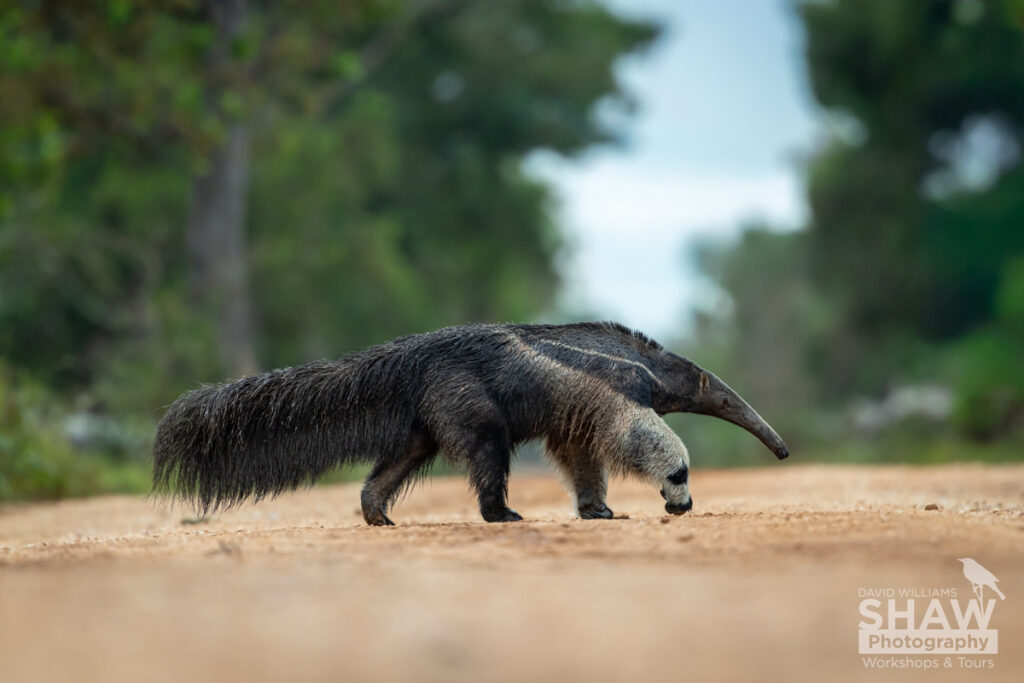
After our time in Jaguarland, we headed back up the Transpantaneira to a working ranch called Pousada Piuval. The owners of the ranch have been at the forefront of ecotourism, managing to find a balance between wildlife and their domestic cattle and horses. The ranch is home to a number of jaguars, though they are rarely seen—these cats, unlike those around Porto Jofre, are not comfortable with humans and scatter the moment a vehicle or horseman comes by.
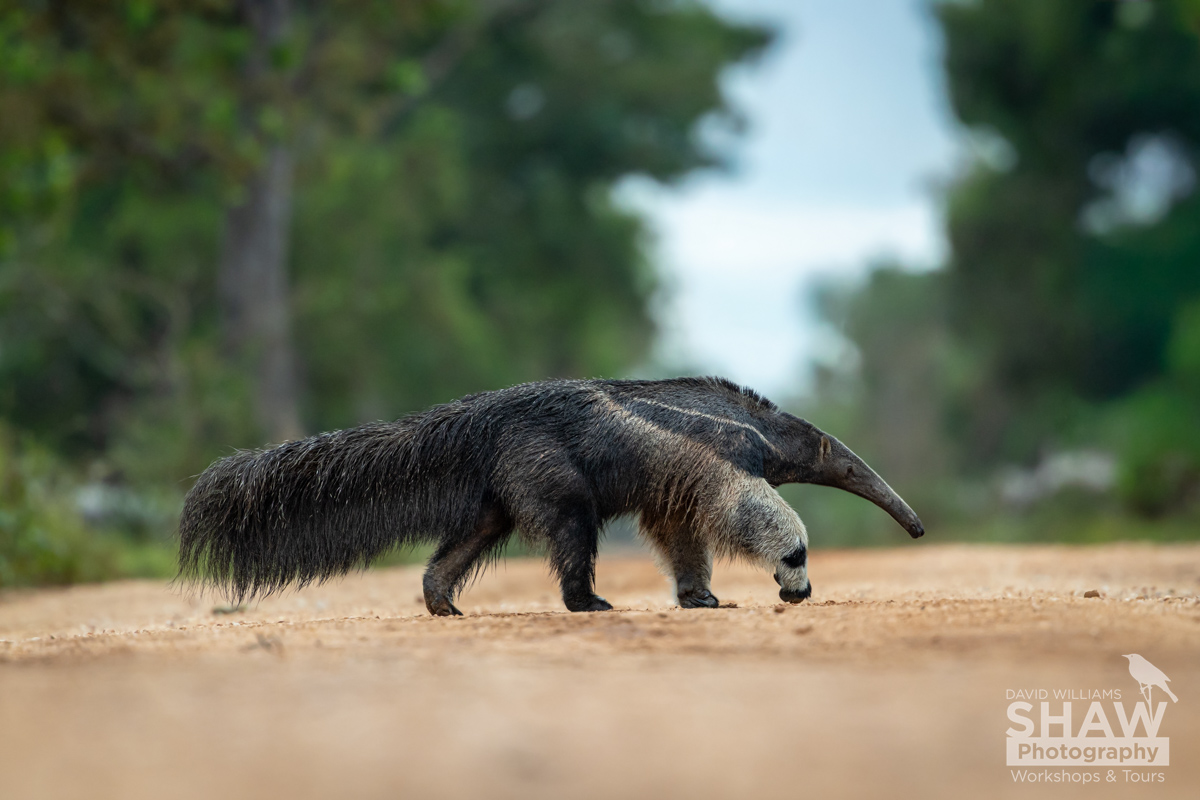
The open pastures are home to a strong population of giant anteaters, which is a big draw for photographers. And we found them on our first morning at Piuval. It had been a drizzly night, and the day dawned overcast—perfect conditions that allow the nocturnal anteaters to stay out later into the morning. The best shot was when the strange and surprisingly large creature crossed the road in front of us, allowing us to get rare, low-perspective images of another unusual species of Brazil.
Heading Home (and onward)
Piuval is just a couple of hours from the major airport in Cuiabá, and we were unloading our bags there in what felt like no time. Some of us were headed for home, and some of us were headed for an extension to the Atlantic Rainforest (more on that later), but all of us were sorry to say goodbye to one another and to the incredible things we’d experienced in the Pantanal.
Truly, there is nowhere like it.
Check out the images, and see if you agree.
And if you want to experience this for yourself, I’ve just set dates for 2026! Signups are available!
Pantanal Jaguar Photography in 2026